The Best GoHighLevel Workflows For Every Type Of Business
Which GoHighLevel Automations Should You Build? A Complete Guide Based On Your Business Model


One of the first questions businesses ask after setting up GoHighLevel is what workflows they should actually build. GoHighLevel gives you dozens of ways to automate a business: lead follow-up, SMS, email, appointment reminders, missed calls, pipeline updates, review requests, reactivation campaigns, and internal notifications. But having more automation does not automatically make a business better.
The wrong workflows create duplicate messages, confused customers, leads receiving irrelevant follow-ups, salespeople buried in unnecessary notifications, contacts stuck in workflows they should have exited long ago, and automations that quietly fight each other. The goal is not to automate everything. The goal is to automate the right parts of the customer journey, and that depends heavily on the specific type of business being run.
01Start With The Business Process, Not The Workflow
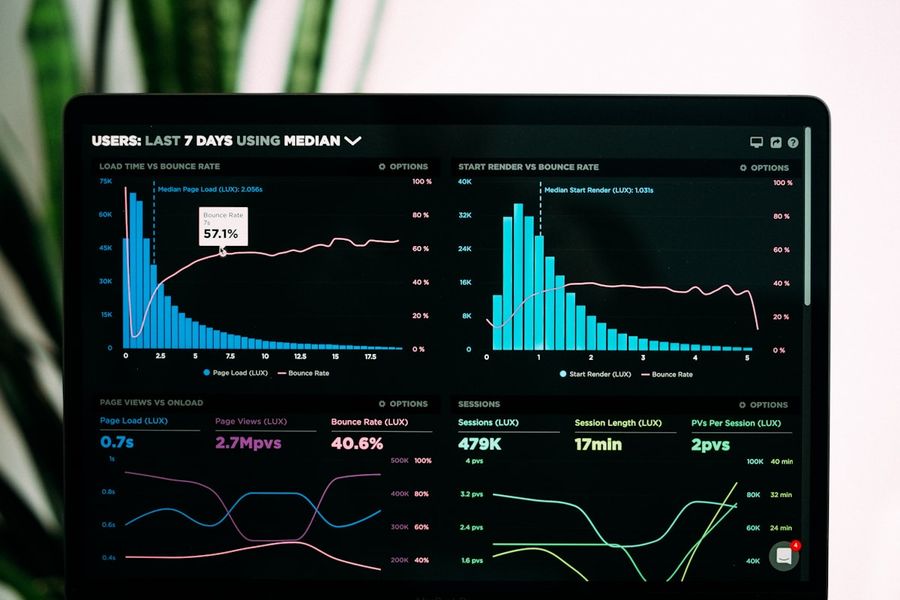
Before building any GoHighLevel automation, map the actual business process first: traffic arrives, a lead gets captured, the lead gets qualified, an appointment or estimate gets scheduled, sales follow-up happens, the customer converts, the service gets delivered, a review gets requested, and inactive contacts eventually get reactivated. Every business moves customers through this journey differently. A dentist prioritizes appointments. A roofer prioritizes estimates. A law firm prioritizes consultations. An agency prioritizes sales calls. A real estate business often has a nurture cycle measured in months rather than days. Because the underlying process differs this much, the workflows built on top of it should differ too.
02The Core GoHighLevel Workflows Most Businesses Need
Before breaking workflows down by industry, a handful of foundational automations apply broadly across almost every type of business. It is worth noting that GoHighLevel consolidated its older, separate Campaigns and Triggers system into a single unified Workflows builder, using a straightforward trigger, conditions, actions structure. If you have seen older tutorials referencing Campaigns and Triggers as distinct features, that system has been replaced entirely by Workflows.
New Lead Follow-Up Workflow
Trigger: a new lead is created. Actions: an immediate SMS, an immediate email, an internal sales notification, a longer follow-up sequence, and task creation for the assigned rep. Speed matters enormously here, since a lead who does not hear back within minutes is already contacting a competitor.
Missed Call Text Back
Trigger: an inbound call is missed. Action: an immediate SMS, something as simple as sorry we missed your call, how can we help. This is frequently the single highest-value workflow a local business can build, since most callers who reach voicemail do not leave one, they simply call the next result on Google. A text sent within a minute or two keeps that conversation alive. One important technical note: externally forwarded phone numbers, such as those routed through a carrier like Verizon or AT&T rather than provisioned directly inside GoHighLevel, often do not reliably trigger the missed call event at all, so a GoHighLevel-provisioned number is generally required for this workflow to fire consistently.
Appointment Confirmation Workflow
Trigger: an appointment is booked. Actions: a confirmation SMS, a confirmation email, calendar details, and any preparation instructions the customer needs ahead of time.
Appointment Reminder Workflow
Trigger: an appointment is upcoming. Actions: a reminder roughly 24 hours out, a second reminder closer to the appointment time, and a rescheduling link. Appointment reminder sequences built this way commonly reduce no-show rates substantially compared to no reminder system at all.
No-Show Follow-Up Workflow
Trigger: an appointment gets marked as a no-show. Actions: an SMS follow-up, an email, a rescheduling link, and an internal task so a team member knows to personally check in if the automated outreach does not get a response.
Review Request Workflow
Trigger: a service is marked complete. Actions: an appropriate waiting period, a review request, and a follow-up if no review has been left after a reasonable window. Automating this step consistently increases review volume significantly compared to relying on staff to remember to ask.
Lead Reactivation Workflow
Trigger: a lead has been inactive for a defined period. Actions: an SMS, an email, and a genuine reason to reengage, whether a new offer or simply a conversation starter. Reactivation campaigns targeting a dormant contact list typically re-engage a meaningful single-digit-to-low-double-digit percentage of that list, which is often inexpensive revenue compared to generating an entirely new lead from scratch.
These are foundations, not a finished system. The exact workflow architecture on top of them should change based on how the specific business actually makes money. One universal technical requirement worth flagging up front: every workflow step that sends SMS requires proper A2P 10DLC registration in the United States, and an unregistered account will frequently fail to deliver messages silently, with no obvious error surfaced anywhere, which makes this one of the most common and hardest to diagnose causes of a workflow that appears to run successfully while nothing actually reaches the contact.
03Best GoHighLevel Workflows By Business Type

For each business type below, the goal is understanding why specific workflows matter for that business model, not simply copying a list. Each covers how the business typically generates leads, its biggest lead management problem, its most valuable workflows, an example architecture, common mistakes, and what should stay human rather than automated.
HVAC Companies
HVAC leads typically arrive through Google Ads, website forms, and direct phone calls, frequently as urgent, same-day requests, especially during extreme weather. The biggest problem is the gap between a lead coming in and a technician actually being scheduled. Valuable workflows include new lead follow-up, missed call text back, emergency service routing that distinguishes urgent no-cooling or no-heat calls from routine maintenance requests, estimate follow-up, appointment reminders, maintenance reminders tied to seasonal service intervals, seasonal reactivation ahead of summer and winter, and review requests. A typical architecture: lead comes in, immediate SMS goes out, the office gets a call notification, the appointment gets booked, the technician gets a reminder, the service completes, a review gets requested, and a six-month maintenance follow-up gets scheduled automatically. The most common mistake is treating every lead identically regardless of urgency; an emergency no-heat call in January needs different routing than a routine filter-change request. Emergency triage and any actual diagnosis should remain human.
Roofing Companies
Roofing leads generally involve a longer sales cycle than most home service categories, often spanning inspection, estimate, and, frequently, an insurance claims process that can stretch for weeks. Valuable workflows include new roofing lead intake, inspection scheduling, estimate follow-up, insurance claim follow-up, longer-term nurture for leads who are not ready to commit immediately, storm-triggered reactivation campaigns, review requests, and referral campaigns. Roofing leads generally need considerably longer, more patient follow-up sequences than an emergency home service, since the decision cycle and, often, the insurance process itself simply take longer regardless of how quickly the business responds.
Plumbers
Plumbing leads split cleanly into true emergencies, a burst pipe or active leak, and routine service requests. Speed-to-lead is the single biggest factor, since an emergency caller will call the next plumber immediately if nobody responds. Valuable workflows include missed call text back, emergency lead routing separate from routine requests, new service request intake, appointment confirmation, technician dispatch notification, service completion, review requests, and repeat customer reactivation for routine maintenance customers.
Electricians
Electrical leads tend to fall between the emergency urgency of plumbing and the longer cycle of roofing. Valuable workflows include new inquiry follow-up, estimate scheduling, estimate follow-up, appointment reminders, job completion, review requests, and annual reactivation for customers due for inspections or panel upgrades.
Dental Practices
Dental leads come from new patient inquiries, recall lists, and referrals. Valuable workflows include new patient inquiry response, appointment booking, appointment confirmation, appointment reminders, no-show recovery, recall campaigns for regular cleanings, review requests, and inactive patient reactivation. Dental practices, along with any other business handling sensitive or regulated patient information, need to ensure their specific use of CRM data, SMS, email, and automation actually complies with applicable privacy and healthcare regulations in their jurisdiction. GoHighLevel itself does not automatically make any particular workflow compliant; compliance depends on how the practice configures and uses the platform, what data it stores, and what consent and disclosure requirements apply to its specific patient communications.
Med Spas
Med spa leads are typically treatment-specific, and segmentation matters more here than almost any other category on this list. A Botox lead should generally not receive the same nurture sequence as a laser hair removal lead, since the price point, treatment cycle, and buying psychology differ meaningfully. Valuable workflows include new lead follow-up segmented by treatment interest, consultation booking, consultation reminders, no-show recovery, treatment follow-up, review requests, membership renewal where applicable, inactive client reactivation, and birthday campaigns where appropriate to the brand.
Gyms And Fitness Studios
Fitness leads typically enter through a free trial or introductory offer. Valuable workflows include free trial follow-up, consultation booking, trial reminders, no-show follow-up, new member onboarding, membership renewal reminders, cancellation recovery outreach, inactive member reactivation, and referral requests from engaged current members.
Chiropractors
Chiropractic care often involves an initial consultation followed by an ongoing care plan. Valuable workflows include new patient lead intake, consultation booking, appointment reminders, no-show recovery, care plan follow-up tied to the specific treatment schedule, inactive patient reactivation, and review requests.
Law Firms
Legal leads require careful intake, consultation scheduling, and often practice-area-specific segmentation, since a family law inquiry and a business litigation inquiry need entirely different follow-up. Valuable workflows include new inquiry response, lead qualification, consultation booking, consultation reminders, missed call follow-up, document reminders for clients with an active matter, and longer-term nurture where appropriate for prospects who are not ready to retain counsel immediately. Legal automation should never provide anything resembling automated legal advice, and workflow messaging should never make or imply promises about case outcomes, both for ethical and liability reasons that go well beyond marketing best practice.
Real Estate Agents
Real estate nurture cycles are frequently the longest on this entire list, sometimes spanning many months between a buyer's first inquiry and an actual transaction. Valuable workflows include new buyer lead intake, new seller lead intake, property inquiry follow-up, showing reminders, open house follow-up, long-term buyer nurture, long-term seller nurture, past client follow-up, and referral campaigns. Aggressive, high-frequency short-term automation, the kind that works well for an emergency home service lead, frequently performs poorly here and can actively damage the relationship, since real estate decisions typically unfold over a genuinely longer timeline than most other categories on this list.
Mortgage Brokers
Mortgage leads involve document collection and a multi-step application process. Valuable workflows include new mortgage lead intake, application reminders, document collection reminders, appointment booking, application status communication, longer-term nurture for early-stage prospects, past client reactivation for refinance opportunities, and referral requests. Given the sensitivity of financial information involved, mortgage-related automation needs to be handled with particular care around what data is stored, transmitted, and referenced in automated messages.
Insurance Agencies
Insurance leads center around quotes and renewals. Valuable workflows include new quote request follow-up, quote follow-up sequences, renewal reminders, policy review reminders, cross-sell opportunity identification, lapsed customer reactivation, and referral requests.
Marketing Agencies
Agency leads typically move through discovery calls and proposals before becoming clients, and the workflow needs to extend well beyond the sale into onboarding and ongoing account management. Valuable workflows include new lead follow-up, discovery call booking, proposal follow-up, client onboarding, asset collection from new clients, ongoing client communication, renewal reminders, upsell opportunity identification, and lost opportunity reactivation. A typical architecture: a lead comes in, has a discovery call, receives a proposal, gets followed up on, closes, enters an onboarding workflow, triggers internal project creation, and moves into ongoing client communication. Agencies in particular frequently need GoHighLevel to integrate with a separate project management platform and accounting system, since neither of those functions is something GoHighLevel itself is built to fully replace.
Consultants And Coaches
Coaching and consulting leads often start with a lead magnet or application process rather than a direct inquiry. Valuable workflows include lead magnet follow-up, an application workflow, qualification, strategy call booking, appointment reminders, no-show recovery, sales follow-up, client onboarding, renewal, and testimonial requests.
Cleaning Companies
Cleaning leads are typically estimate-driven and often recurring once a customer is established. Valuable workflows include new quote request follow-up, estimate follow-up, booking confirmation, appointment reminders, recurring service reminders, review requests, customer reactivation, and upsell campaigns for additional service types.
Landscaping Companies
Landscaping is heavily seasonal, with demand shifting significantly across the year. Valuable workflows include new estimate requests, estimate scheduling, estimate follow-up, seasonal service campaigns timed to actual seasonal demand, recurring maintenance reminders, review requests, and past customer reactivation ahead of each new season.
Pest Control Companies
Pest control combines one-time service requests with recurring treatment plans. Valuable workflows include new service inquiry follow-up, appointment scheduling, service reminders, recurring treatment reminders, renewal reminders, review requests, and seasonal reactivation tied to known pest activity cycles.
Auto Detailing And Auto Service Businesses
Auto service leads are typically estimate or appointment driven, often with a recurring maintenance component. Valuable workflows include new quote requests, appointment booking, appointment reminders, no-show recovery, service completion, review requests, maintenance reminders, and past customer reactivation.
B2B Service Companies
B2B leads generally involve a genuine sales process rather than a simple booking, often with multiple stakeholders and a longer, more considered decision cycle. Valuable workflows include inbound lead qualification, demo booking, sales follow-up, proposal follow-up, longer-term nurture, lost opportunity reactivation, client onboarding, renewal, and upsell identification. B2B workflows generally require deeper CRM pipeline management than most consumer-facing categories on this list, along with tighter integration with whatever external systems, a dedicated sales engagement tool, an ERP, or an accounting platform, the business already depends on.
04The Best Workflow Depends On How Your Business Makes Money
Industry matters, but the underlying business model often matters even more, and several distinct models cut across industry lines. Appointment-based businesses, spanning most home services and medical or wellness practices, should prioritize booking, reminders, no-show recovery, and reactivation above almost everything else. Estimate-based businesses, common in roofing, cleaning, and landscaping, should prioritize speed-to-lead, estimate scheduling, estimate follow-up, and longer-term nurture for prospects not ready to commit immediately. Emergency service businesses, including plumbing and HVAC, should prioritize immediate response, missed call text back, urgency-based lead routing, and a clear path to human escalation the moment automation is not enough. Long sales cycle businesses, including real estate, B2B services, and law firms, should prioritize lead segmentation, patient long-term nurture, sales task management, and disciplined pipeline management over aggressive short-term messaging. Recurring revenue businesses, including gyms, memberships, and subscription-style services, should prioritize onboarding, ongoing engagement, renewal management, retention, and reactivation of lapsed members. Industry determines many of the specific details. Business model often determines the underlying architecture those details get built on top of.
05How To Build A GoHighLevel Workflow Architecture
Businesses should not build a pile of random, isolated workflows. A coherent architecture moves a contact deliberately through lead capture, lead qualification, lead routing, an appointment or estimate, the sales pipeline, customer conversion, onboarding, service delivery, retention, and eventually reactivation if the relationship goes cold. Workflows should hand a contact from one stage to the next cleanly, with clear exit conditions at every stage, rather than running in parallel and potentially overlapping or conflicting with each other along the way.
06What You Should NOT Automate
Complex customer complaints, genuinely sensitive conversations, high-value sales negotiations, anything resembling legal advice, medical decisions, complex financial discussions, and escalated support situations all require human judgment that automation is not built to replace. Automation should support the people running a business. It should never blindly substitute for judgment in situations where judgment is actually the point.
07Common GoHighLevel Workflow Mistakes
Automating everything regardless of whether it actually needs automation, sending far too many SMS messages until contacts start opting out or ignoring the business entirely, duplicate workflows built by different people covering the same process, contacts enrolled in two conflicting workflows simultaneously, no exit conditions so messaging continues well past the point it stopped being relevant, no suppression rules to prevent messaging someone who already converted or already opted out, no consistent workflow naming standard, no documentation, employee assignments hardcoded directly into workflow logic rather than referencing a role, no fallback owner for leads that do not match any specific routing rule, no ongoing monitoring, and no testing before a workflow goes live are the recurring mistakes across GoHighLevel accounts of every size. Every one of these problems gets measurably worse as a business grows and adds more workflows on top of an already-unmanaged foundation.
08How To Choose Which GoHighLevel Workflows To Build First
Ask where leads are actually being lost today. Ask where the team repeatedly performs the same manual work by hand. Ask where customers wait longer than they should. Ask where appointments get missed without any recovery process. Ask where follow-up simply stops without anyone noticing. And ask where information genuinely needs to move between systems rather than being re-entered manually. Prioritize the resulting list based on revenue impact, actual time savings for the team, effect on customer experience, the real cost of continued failure if nothing changes, and how complex the specific workflow would actually be to build and maintain.
09The GoHighLevel Workflow Audit Framework
Map the complete customer journey as it actually happens today, not as anyone assumes it happens. Identify every manual step still being performed by a person. Identify repetitive communication that could reasonably be automated with clear, consistent rules. Identify specific points of revenue leakage, such as leads that go unanswered or appointments that go unconfirmed. Prioritize automation based on that list. Build the highest-priority workflow. Test it thoroughly with a real phone number and real email address before activating it, since preview mode inside the builder frequently misses real-world delivery issues that only surface once messages actually go out. Monitor it using GoHighLevel's own Workflow History log to confirm it is firing correctly. And optimize it based on what that monitoring actually reveals, rather than assuming a workflow that was built correctly once will continue working correctly forever.
10When GoHighLevel Alone Isn't Enough
GoHighLevel can manage a great deal of front-office workflow, but most businesses also depend on accounting software, an ERP system, a project management platform, industry-specific software, a customer support tool, internal databases, Microsoft 365, Google Workspace, or custom applications that GoHighLevel was never built to replace. In these cases, businesses typically need Zapier, Make, n8n, Power Automate, a native integration, or a custom API connection to move data reliably between GoHighLevel and whatever other systems the business genuinely depends on. The goal is not forcing every business process into GoHighLevel regardless of fit. It is building a technology stack where each system does the specific job it is best suited for, with data moving reliably between all of them.
11What We Actually Ask Before Recommending Any Workflow
Many businesses ask us directly what GoHighLevel workflows they should build. That is usually not the first question we actually ask back. We ask how leads enter the business in the first place. We ask how those leads get qualified. We ask how customers actually buy. We ask what the team is currently doing manually that shouldn't require a person. We ask specifically where leads are falling through the cracks today. We ask what happens, concretely, after someone becomes a customer. And we ask which other systems GoHighLevel actually needs to communicate with to support the full business process. Only once those questions are answered should any specific workflow actually get designed.
12Why Businesses Reach Out To Us About This
Our team helps businesses implement GoHighLevel correctly from the start, design workflows around how the specific business actually operates rather than a generic template, troubleshoot broken automations, build genuine lead routing rather than a single unconditional assignment rule, automate appointment processes end to end, integrate GoHighLevel with other business software the company already relies on, build API integrations where a native connection does not cover a specific requirement, clean up CRM data that automation has been quietly building on top of, design sales pipelines that actually reflect the business's real sales process, implement workflow monitoring, and modernize business operations more broadly. Rather than installing generic workflow templates, we design automation around how the business actually generates leads, sells, delivers its service, and retains customers.
13Build The Workflow That Removes Friction, Not The One With The Most Steps
The best GoHighLevel workflow is not the one with the most steps. It is the one that removes friction from a real, specific business process. A roofing company does not need the same automation as a dental office. A law firm does not need the same lead nurture as a gym. A marketing agency does not need the same customer lifecycle as an HVAC company. A GoHighLevel setup should reflect exactly how a specific business generates leads, how it sells, how it actually delivers its service, how it retains customers, and how its team genuinely works day to day.
There is no universal list of workflows every business should simply copy. The best automation architecture depends on the business model, the customer journey, the sales process, the service delivery process, the broader technology stack, and the team's actual responsibilities. GoHighLevel becomes significantly more valuable once its workflows are designed around how a business actually operates. Start with the customer journey, identify exactly where leads and customers experience friction, automate the repetitive processes that have clear, consistent rules, and keep people involved wherever judgment genuinely matters. The result is not simply more automation. It is a business system that is easier to operate, easier to monitor, and genuinely easier to scale.
Sources
Frequently Asked Questions
What are the best GoHighLevel workflows?+
Which GoHighLevel automations should I build first?+
What GoHighLevel workflows should a service business use?+
What GoHighLevel workflows should contractors use?+
What GoHighLevel workflows should agencies use?+
Can GoHighLevel automate lead follow-up?+
Can GoHighLevel automate appointment reminders?+
How should I structure GoHighLevel workflows?+
How many GoHighLevel workflows should I have?+
Should every business process be automated in GoHighLevel?+
Stop Copying Generic Templates. Build Workflows Around How Your Business Actually Works.
Book a free strategy call and we will help you design a GoHighLevel workflow architecture built specifically for your business model.
