How to Run a Win-Back Campaign in GoHighLevel
A Complete Guide to Re-Engaging Lost Customers with Automated Email, SMS, AI Follow-Ups, Special Offers, Segmentation, and CRM Workflows in GoHighLevel

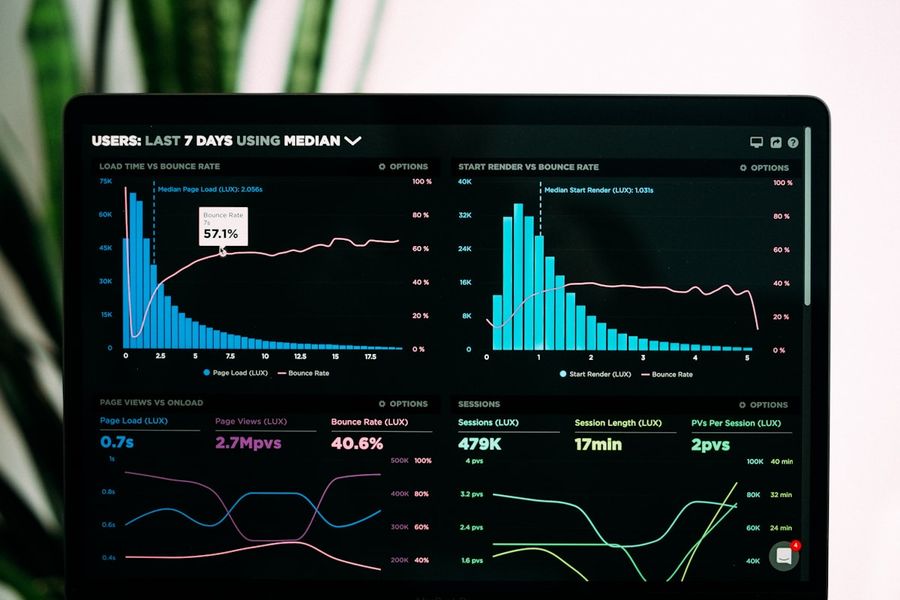
01The Customers You Already Paid to Acquire
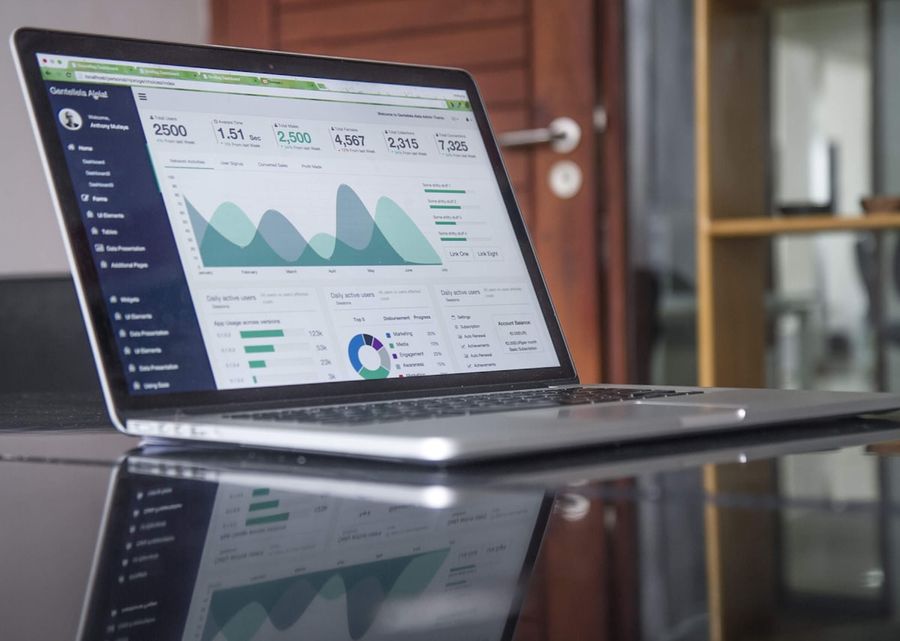
A business spends real money acquiring customers, Google Ads, Facebook Ads, SEO, referral incentives, and it works. A customer converts, buys, and the business moves on to acquiring the next one. Then, quietly, nothing happens. No follow-up beyond a receipt. No check-in six months later. No reason for that customer to think about the business again until they need something similar, at which point they search again from scratch and just as easily land on a competitor.
That gap, between acquiring a customer and ever speaking to them again, is where a huge amount of paid-for value simply evaporates. The business already spent the hard part of the acquisition cost; a customer who's purchased once, been happy, or simply gotten busy and drifted, is a fundamentally easier sale than a cold stranger who's never heard of the business at all.
A GoHighLevel win-back campaign is how that gap gets closed systematically. This guide covers building a complete customer reactivation system: identifying who actually counts as inactive, segmenting that list intelligently rather than treating every dormant contact identically, building an offer and a multi-touch email and SMS sequence worth responding to, automating the entire thing inside GoHighLevel's CRM and workflow tools, and measuring the revenue it actually recovers.
The underlying math is worth stating plainly, because it's what makes this worth building properly rather than treating as an occasional afterthought. A business that already paid to acquire a customer once has already covered the most expensive part of that relationship. Reaching that same person again, through owned channels, email and SMS the business already controls, costs a fraction of what it took to win their attention the first time, which is exactly why a well-built reactivation system routinely produces some of the highest return of any marketing initiative a business runs, even though it rarely gets the same attention as the acquisition channels that brought the customer in originally.
02The Customer Lifecycle a Win-Back Campaign Repairs
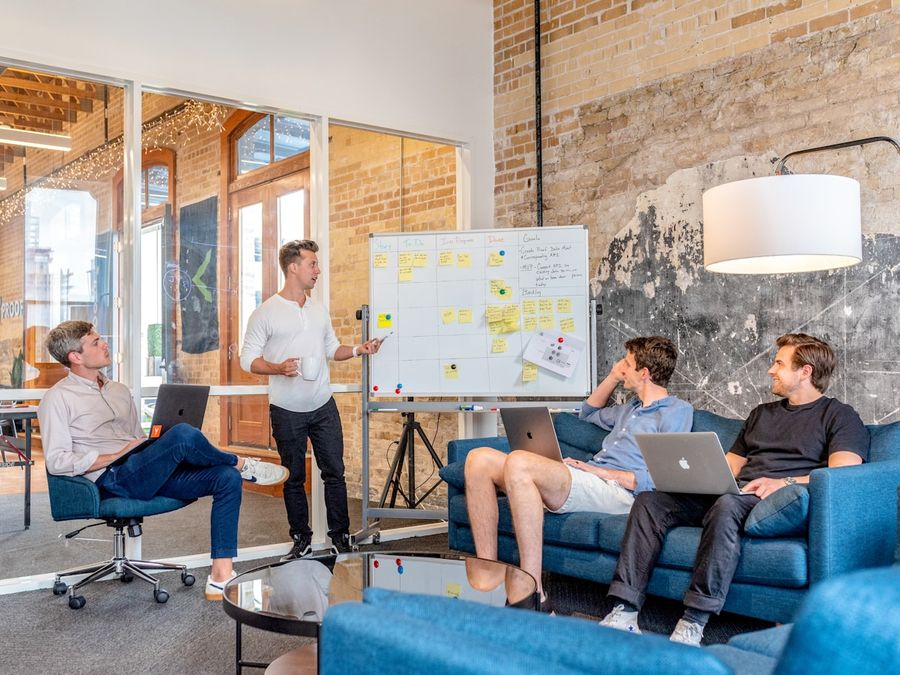
The full lifecycle runs from a lead, through a first purchase, into an active customer relationship, and then, for most businesses, into a quiet inactive period nobody planned for or is systematically addressing. A win-back campaign intervenes at exactly that point, reactivating the dormant contact into a booked appointment, a repeat purchase, and, ideally, a customer who now refers others, closing what would otherwise be a one-way drift out of the business entirely.
This lifecycle repeats for every customer a business has ever acquired, which is exactly why a win-back system pays for itself so consistently once it's built. It isn't a single campaign run once; it's a permanent stage in how the business treats every customer relationship, catching people as they drift rather than only noticing after they've already been gone for years.
03Section 1: What Is a Win-Back Campaign?
A win-back, or reactivation, campaign is a structured, automated effort to re-engage customers who were previously active but have gone quiet, no recent purchase, no recent appointment, no recent engagement, with the goal of bringing them back into an active relationship with the business. It's distinct from ordinary nurture marketing in that it's specifically targeted at people who already have a purchase history and existing trust in the business, rather than cold prospects who've never bought anything.
Customers go inactive for reasons that have little to do with dissatisfaction far more often than businesses assume. They get busy. They forget. They move, switch jobs, or their circumstances change in a way that temporarily removes the need. They intend to come back and simply never get around to it without a nudge. Treating every inactive customer as someone who left unhappy misreads the situation for most of them, and a win-back campaign built on that assumption tends to over-apologize rather than simply reminding people the business is still there and still worth their attention.
04Section 2: Which Customers Should Be Included?
"Inactive" means something different depending on how frequently a business's customers naturally interact with it. A gym or a subscription service might define inactive as no visit or login in 30 to 60 days; a dental practice or an HVAC company, where customers naturally return every six months to a year, might define it as no appointment in 9 to 12 months; a home renovation company might use a multi-year window entirely, since that's the natural repeat-purchase cycle for the category. There's no universal number; the right threshold is whatever meaningfully exceeds how long a healthy, active customer in that specific business would normally go without engaging.
Beyond simple time-since-last-purchase, useful segments for inclusion typically cover several distinct situations: customers with no purchase in the defined inactive window, contacts who missed or cancelled a scheduled appointment without rebooking, opportunities that stalled and were marked lost, memberships or subscriptions that expired or were cancelled, past service customers who completed a project with no ongoing relationship built in, and former clients from a professional relationship that ended without any clear reason. Each of these represents a genuinely different situation and, as covered in the next section, deserves different messaging rather than being folded into one undifferentiated list.
05Section 3: Preparing Your CRM
A win-back campaign is only as good as the data identifying who belongs in it, and this is where most reactivation efforts stall before they even launch. Contact records with no clear last-purchase or last-appointment date, duplicate contacts fragmenting one customer's history across two records, and inconsistent or missing tags all make it impossible to reliably identify who's actually inactive versus who simply has messy data.
Before building any segmentation, a basic CRM audit is worth the time: confirm duplicate contacts are merged, confirm a consistent custom field is being populated with each contact's last purchase or last appointment date, since accurate reactivation timing depends entirely on this field being reliable, and confirm customer status tags, active, inactive, lost, VIP, are applied consistently rather than left blank or applied inconsistently by whoever happened to be updating records that week. This groundwork isn't glamorous, but a campaign built on top of unreliable dates and missing tags will misfire in ways that are hard to diagnose later, targeting people who are actually still active or missing genuinely inactive customers entirely.
One mechanical detail worth understanding clearly: GoHighLevel doesn't have a single, reliable, system-wide "contact has had no activity in X days" trigger that automatically fires a workflow the moment inactivity crosses a threshold; this has been a long-requested feature with mixed results in practice. The dependable native approach is the Custom Date Reminder workflow trigger, tied to a specific custom field, Last Purchase Date or Last Appointment Date, filtered to fire "After Number of Days." That means the custom field itself has to be kept accurate, typically updated automatically by a workflow action whenever a purchase or appointment actually happens, for the whole reactivation system built on top of it to work.
Setting up that automatic update is worth doing once, early, rather than relying on staff to manually update the date field after every transaction. A workflow triggered off an appointment being marked complete, or a payment being received, that automatically writes the current date into the relevant custom field keeps the whole reactivation system accurate without adding a manual step to anyone's day-to-day routine, and it's the kind of small setup investment that quietly pays for itself the first time it correctly catches a customer drifting who would otherwise have gone unnoticed.
06Section 4: Building Customer Segments
Once the underlying data is clean, GoHighLevel's Smart Lists, dynamic, continuously updating contact views built from combined filters like tags, custom field values, and pipeline stage, are the right tool for defining each segment. A residential customer segment and a commercial customer segment, a VIP or high-lifetime-value segment versus a one-time buyer, a membership customer whose subscription lapsed versus a former client whose relationship simply ended, each represents a genuinely different starting relationship with the business and, in most cases, a different reason for having gone quiet.
The reason this segmentation matters beyond simple organization is that it should directly shape the messaging each group receives. A high-lifetime-value customer who's gone quiet deserves a more personal, less discount-driven outreach, arguably a phone call before any automated sequence even starts, than a one-time buyer from over a year ago, who's more realistically won back with a clear, compelling offer than with a purely relationship-toned message. Segmenting the list and then sending everyone the identical email defeats most of the purpose of segmenting in the first place.
07Section 5: Creating the Win-Back Offer
The offer is what actually moves someone from reading a reactivation message to acting on it, and it's worth designing deliberately rather than defaulting to a blanket percentage-off discount. A free consultation or a free follow-up inspection works well for service businesses where the barrier to returning is more about remembering the business exists than price. A service upgrade or a loyalty reward for returning customers signals appreciation rather than simply competing on price. A genuinely time-limited bonus or a product bundle can create real urgency without discounting the core offer at all.
Value tends to outperform pure discounting for win-back specifically, more than it might for a first-time acquisition offer, because the recipient already has a relationship with the business; a customer who left for a reason unrelated to price often isn't won back by a discount at all, while a genuinely useful added benefit, an upgraded service tier, a bonus consultation, a loyalty perk reserved for returning customers, addresses the actual gap, being forgotten, rather than just lowering the price of something they weren't thinking about buying in the first place.
08Section 6: Building the Email Campaign
A well-paced win-back email sequence moves through a deliberate arc rather than repeating the same pitch five times. An opening message on day one, a straightforward "we miss you" acknowledging the gap without over-apologizing, re-establishes contact. A few days later, a genuinely useful tip or piece of content relevant to why the customer originally engaged rebuilds value before asking for anything. Around day seven, a customer success story or testimonial reinforces why the business is worth returning to. Around day ten, the actual offer arrives, now that trust has been re-established rather than leading with it cold. A final reminder around day fourteen closes the sequence with a clear, time-bound reason to act before the offer expires.
GoHighLevel's native Content AI, available inside the workflow email builder, can draft and refine each of these emails from a written prompt describing the audience segment, the specific message for that stage of the sequence, and the desired tone, which meaningfully speeds up producing genuinely different messaging for each customer segment rather than one generic sequence reused everywhere. Every AI-drafted email should still be reviewed before it sends, particularly the offer email, where an inaccurate or unclear term could create a real problem once a customer tries to redeem it.
09Section 7: SMS Follow-Up
SMS earns its place in a win-back sequence at specific moments rather than as a parallel channel repeating every email: a short reminder partway through the sequence for anyone who hasn't opened or clicked the emails, a direct notification once the offer is live, and a fast, low-friction path to booking, "Reply YES to grab your spot" or a direct booking link, that removes friction for a contact who's ready to act but doesn't want to click through several pages to do it.
Timing and frequency matter more for SMS than email, since a text feels more immediate and more intrusive than an email sitting in an inbox; spacing SMS touches further apart than email touches within the same sequence, and keeping the total SMS volume in any win-back sequence modest, generally two or three messages across the full sequence rather than one per email, respects that difference. Before sending any SMS as part of a reactivation campaign, confirm the messaging complies with applicable consent and marketing regulations for the contact's region, since prior purchase history doesn't automatically satisfy current SMS consent requirements, and confirming this directly rather than assuming a past relationship covers it protects both the campaign and the business.
10Section 8: Appointment Booking
For any win-back campaign where the desired outcome is a scheduled service, a consultation, a follow-up visit, routing directly to the correct calendar based on the customer's segment or original service type removes a meaningful point of friction. A returning HVAC customer requesting a maintenance visit and a lapsed client requesting a full system consultation shouldn't land on the same generic booking page if the business has different calendars or staff handling each.
Confirmation and reminder automation matter as much here as they do for any newly booked appointment, arguably more, since a reactivated customer who's been out of the habit of engaging with the business is a real no-show risk if the appointment isn't reinforced with a confirmation immediately after booking and a reminder as the date approaches. A missed win-back appointment isn't just a lost slot; it risks confirming exactly the disengagement the whole campaign was built to reverse.
11Section 9: Workflow Automation
The full automation chain runs from an inactive customer being identified, through the Custom Date Reminder trigger or a Smart List review process, into a tag being applied that marks them as entering the win-back sequence, into the workflow itself firing the paced email and SMS sequence, through the offer, into appointment booking if the customer responds, and into the sales pipeline for any follow-up a rep needs to handle personally rather than through automation alone.
Building this as one connected workflow, rather than a series of manually triggered one-off sends, is what makes a win-back campaign repeatable rather than a single event run once and forgotten. Once the tagging and Custom Date Reminder trigger are configured correctly, new contacts crossing the inactivity threshold enter the sequence automatically going forward, without anyone having to remember to manually pull a list and launch a campaign every quarter.
It's worth deciding deliberately what happens to a contact who reactivates partway through the sequence, books an appointment after the second email, for instance, rather than letting the remaining touches keep firing regardless. Using a goal condition tied to the desired outcome, an appointment booked, a purchase made, a reply received, removes a contact from the rest of the sequence automatically once they've done what the campaign was actually trying to get them to do, avoiding the awkward experience of a customer who already rebooked still receiving a "we miss you" email two days later.
12Section 10: AI Personalization
Beyond drafting the sequence itself, AI is a useful tool for tailoring win-back messaging to what's actually known about each contact, referencing their specific service history, the amount of time since their last visit, or their segment in a prompt rather than sending one static template unchanged to everyone in the campaign. A short AI-generated summary of a contact's history can also help a rep prepare for a call with a reactivated high-value customer, pulling together what they bought, when, and any notes on file rather than the rep starting cold.
Exactly which AI capabilities are available for this depends on the current GoHighLevel subscription and account configuration, and continues to evolve, so confirming what's genuinely available directly in the account, rather than assuming a specific feature exists, avoids building a campaign around functionality that isn't actually present on a given plan. As with any AI-assisted communication, a human should review generated content before it reaches a real customer, particularly anything referencing specific account or purchase details that need to be accurate.
13Section 11: Internal Notifications
Not every reactivation deserves the same internal response. A high lifetime value customer or a former VIP client responding to a win-back sequence is worth a direct, immediate internal notification, to a sales rep, an account manager, or the business owner directly for a smaller business, so that reactivation gets a personal touch rather than being left entirely to automation from that point forward.
Building this distinction into the workflow, routing a standard reactivation into a purely automated next step while a high-value one triggers an internal alert, keeps the business's best relationships from being treated identically to a one-time buyer coming back for a small purchase, and it's a straightforward addition once the segmentation covered in Section 4 already distinguishes between these groups.
14Section 12: Measuring Success
A win-back campaign should be tracked with the same rigor as any paid acquisition channel, arguably more, since proving its ROI is often what justifies investing further in retention rather than only acquisition. Track email open and click rates and SMS reply rates to gauge engagement with the sequence itself, appointment bookings and actual purchases to measure real conversion, and, most importantly, the revenue recovered relative to the cost of running the campaign, since a win-back sequence with strong engagement but few actual purchases is telling the business something about the offer, not just the messaging.
GoHighLevel doesn't maintain a single native customer lifetime value field automatically calculated for every contact; most businesses approximate this using a custom field updated through payment or opportunity data, or by exporting reporting from Payments and pipelines to calculate it externally. Tracking revenue recovered specifically from the win-back tag or workflow, compared against what it cost to run, gives a cleaner and more directly actionable ROI number than lifetime value alone.
For a business with a large enough inactive list, holding back a small control group, a segment that meets the same inactivity criteria but doesn't receive the campaign, gives a genuinely honest comparison against natural reactivation that would have happened anyway. Without that comparison, it's easy to credit the campaign for reactivations that a small percentage of any dormant list would have produced on its own, and a control group, even a modest one, is usually the fastest way to know with confidence whether the campaign itself is what's actually driving the results being reported.
15Section 13: Industry Examples
An HVAC or roofing company might define inactive as no service call in 12 months, offering a free seasonal inspection as the core win-back offer, with SMS playing a larger role given how directly home service customers respond to a quick text about scheduling. A dental or chiropractic practice might use a 9-to-12-month window tied to typical recall intervals, leaning on the Custom Date Reminder trigger against a Last Appointment Date field populated automatically when appointments are marked complete.
A gym or fitness studio, with a naturally faster engagement cycle, might define inactive as 30 to 45 days with no check-in, offering a free week or a returning-member rate rather than a discount on ongoing dues. A marketing agency or IT provider working with retainer or project clients might segment former clients separately from currently-paused ones, using a case-study-led sequence rather than a discount-led one, since B2B reactivation often responds better to demonstrated results than to price. An ecommerce business might trigger reactivation off no purchase in 60 to 90 days, layering product recommendations based on past purchase history into the email sequence itself. A financial advisory practice, where trust and compliance matter more than urgency, typically does better leading with a portfolio review offer than any kind of discount messaging at all.
16Section 14: Common Mistakes Worth Avoiding
The same handful of mistakes undermine most win-back campaigns. Waiting too long to reach out, letting a customer go fully cold for years before attempting reactivation, makes the whole effort harder than it needed to be; the earlier a business catches drift, the easier the win-back. Generic, one-size-fits-all messaging sent to a mixed list of VIPs and one-time buyers alike wastes the value of segmentation covered earlier in this guide. Discounting too heavily trains customers to wait for the next discount rather than genuinely re-engaging, and can also cheapen the value of the business's core offer in the customer's mind.
No real segmentation, no automation forcing manual, inconsistent sends, and poor underlying CRM data, covered in Section 3, all compound the same underlying problem: a campaign built on shaky foundations that produces inconsistent, hard-to-diagnose results. No appointment booking built into the flow leaves a re-engaged customer with nowhere obvious to go next. No reporting means the business never actually learns whether the campaign is working. And giving up after a single email, rather than running the full paced sequence covered in Section 6, abandons most of a win-back campaign's real value, since the majority of reactivations in a well-built sequence tend to come from the later touches, not the very first message.
17Section 15: A Complete Win-Back Campaign Example
A dental practice with several thousand patients who haven't booked a cleaning in over a year is a useful illustration of the full system working together. A Custom Date Reminder trigger, tied to a Last Appointment Date custom field updated automatically whenever an appointment is marked complete, fires once a patient crosses the twelve-month threshold, applying a Win-Back tag and enrolling them in a dedicated reactivation workflow.
The sequence opens with a friendly "we'd love to see you again" email, followed a few days later by a short piece of content on why regular cleanings matter, then a reminder around day seven paired with an SMS offering a free whitening treatment with a booked cleaning. Patients who click through land on a dedicated online booking page routed to the correct calendar, with automated confirmation and reminder texts reducing no-shows for an audience that's been out of the habit of showing up. Patients tagged as high lifetime value in the CRM trigger a different path entirely: an internal notification to the office manager for a personal phone call rather than relying purely on the automated sequence. Reporting at the end of each quarter shows appointments booked and revenue recovered directly attributable to the Win-Back tag, giving the practice a clear, ongoing number justifying the modest time it took to build the system once.
18Section 16: An Implementation Roadmap
Building this properly moves through the pieces in sequence rather than launching a single win-back email and calling it done. It starts with a CRM audit, confirming duplicate contacts are merged and the custom fields the whole system depends on, particularly last purchase or last appointment date, are being populated reliably. From there, segments get defined using Smart Lists, the offer gets designed deliberately rather than defaulting to a blanket discount, and the actual email and SMS sequence gets written and, where useful, AI-assisted for each distinct segment.
The later phases close the loop: building the full workflow connecting the Custom Date Reminder trigger through tagging, the sequence, booking, and pipeline follow-up, testing the entire flow with a real test contact before it goes live to the full inactive list, launching to the actual segment, and then treating optimization as an ongoing habit, reviewing what's working by segment and refining the offer and sequence accordingly, rather than a one-time project finished at launch.
19The Bigger Picture
Most businesses put far more deliberate effort into acquiring a new customer than into keeping the relationship with one they already have. A win-back campaign is one of the most direct ways to correct that imbalance, since it targets people who've already cleared the hardest part of the sales process, becoming aware of the business and trusting it enough to buy once, and simply need a reason and a nudge to do it again.
The businesses getting the most value from this approach treat reactivation as a permanent, always-running part of how the CRM operates, not a promotional campaign launched occasionally when revenue is soft. Built once, correctly, on top of clean data and real segmentation, a win-back system keeps recovering revenue from customers the business already paid to acquire, indefinitely, with very little ongoing manual effort required to keep it running.
20How We Help
Building a win-back system that actually identifies the right customers, segments them meaningfully, and follows up with messaging worth responding to takes more than writing one promotional email and hoping. New Motion IT works with home service companies, dental and healthcare practices, gyms, financial advisors, agencies, and professional service firms to design and implement complete customer reactivation systems inside GoHighLevel.
A Customer Reactivation Strategy Session reviews the business's CRM health, customer database, existing automations, customer lifecycle, and revenue recovery potential, and results in a repeatable win-back system that increases repeat business while reducing the ongoing need to acquire every customer from scratch.
