How Shopify Stores Hit $50K/Month Without Ads
Build predictable Shopify revenue with SEO, content, community, and brand authority instead of relying on paid ads to survive.

If your Shopify store depends on paid ads to survive, you don’t have a business
You have a media buying operation.
Cut ad spend and revenue disappears with it.
The brands that reach consistent, predictable monthly revenue build differently. They invest in:
- Organic traffic
- Content
- Community
These are systems that compound over time rather than stop the moment you pause a campaign.
In this article, we break down four real Shopify brands that built sustainable revenue through organic marketing. You’ll see exactly how they did it and how to apply the same approach to your store so you can build a business that grows every month without paid ads keeping it alive. This is similar to how small Shopify brands quietly grow to $15K/month without going viral, as we've previously discussed in this article.
01Beardbrand: How Authority Content Built a Multi-Million Dollar Shopify Brand
Website: https://www.beardbrand.com
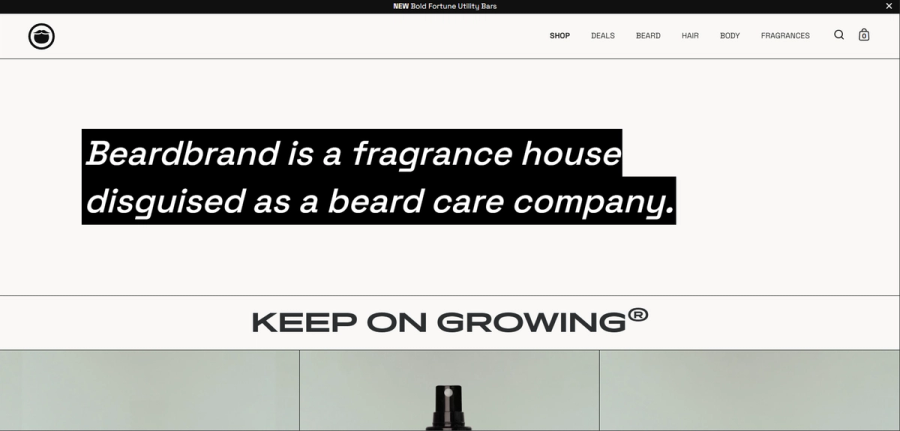
The beginning
Before Beardbrand became a recognised men’s grooming brand, it had no meaningful ad budget and no guarantee anyone would pay attention.
Founder Eric Bandholz focused on one thing: education.
Founded in 2012, Beardbrand started with YouTube videos and educational blog content about beard grooming. At the time, the niche was underserved. Most brands focused on selling products first and educating later.
Beardbrand reversed that.
Instead of pushing products aggressively, they focused on:
- Tutorials
- Grooming advice
- Beard maintenance guides
- Lifestyle content
This positioned them as an authority before they became a major store.
What they did differently
Rather than chasing short-term conversions, Beardbrand invested in search traffic and long-form content. This is a key component of the affiliate marketing campaign strategy that has proven successful for many brands.
They built:
- SEO-focused blog articles
- Educational YouTube videos
- Email capture across content
- Product education pages
Every piece of content pointed back to their Shopify store.
The turning point
As search rankings improved, Beardbrand began receiving consistent organic traffic from people actively searching for beard advice and products.
That traffic converted because trust was already built.
Email subscribers grew alongside traffic, creating a long-term retention system rather than one-time buyers.
The result
Beardbrand grew into a multi-million dollar ecommerce brand:
- Hit $100K/month revenue within two years
- Built 2M+ YouTube subscribers
- Scaled primarily through organic content and community
When your brand becomes the authority in a niche, traffic and sales follow naturally.
What this means for your Shopify store
The platform matters less than commitment.
Whether it’s YouTube, TikTok, blog content, or live video, the goal is the same:
Become the trusted voice in your niche.
Practical actions:
- Go deep on industry education
- Cover topics competitors avoid
- Answer real customer questions
- Build content that helps before it sells
The goal is not to go viral.
The goal is to be trusted before customers are ready to buy.
02Gymshark: How Community and Influencers Built a Billion-Dollar Brand
Website: https://www.gymshark.com
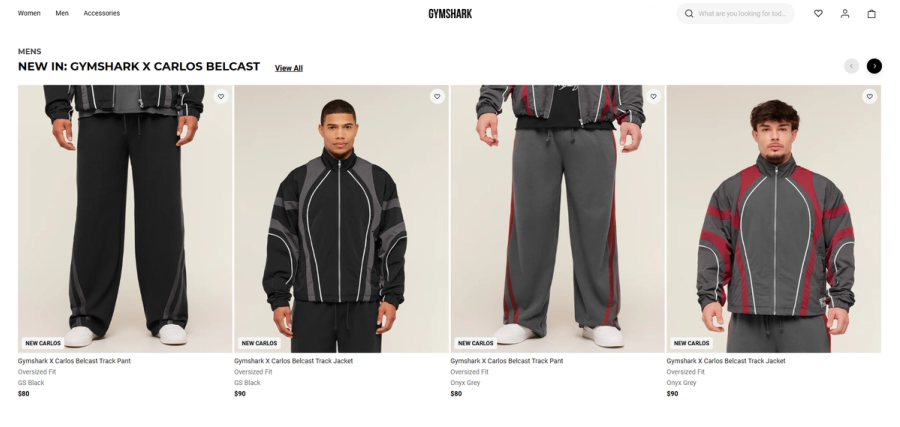
The beginning
In 2012, Ben Francis was a 19-year-old student working from his parents’ garage.
Instead of running ads, Gymshark focused on fitness communities and creators.
They sent products to fitness YouTubers they personally followed.
What started as fan mail became their first influencer strategy.
What they did differently
Gymshark built anticipation and community before spending heavily on ads.
They focused on:
- Genuine relationships with creators
- Limited product drops to create hype
- Community engagement in fitness spaces
- Event appearances (BodyPower 2013 viral moment)
- Lifestyle content and YouTube exposure
Each launch became an event rather than a restock.
The turning point
As creators wore Gymshark organically:
- Brand search increased
- Community engagement exploded
- Email marketing converted attention into revenue
When customers search your brand directly, acquisition becomes far cheaper.
The result
Gymshark scaled into a global brand valued at $1.45 billion.
Early growth came almost entirely from:
- Community
- Influencers
- Organic demand
Paid ads came later.
What this means for your Shopify store
Two immediate actions most brands can take:
1. Influencer and UGC outreach
You don’t need a big budget.
Micro-creators can produce content for:
- $30–$100 per video
- Free product
Use UGC marketplaces with accountability to avoid creators disappearing after receiving product.
2. Limited release model
Create anticipation.
Instead of constant restocks:
- Launch limited drops
- Release collectible packaging
- Build hype around releases
This works far beyond fashion. Even everyday products use limited drops successfully.
Community matters
Make customers feel part of something:
- Create or join niche communities
- Encourage customers to share purchases
- Offer incentives for user-generated content
Community reduces acquisition costs long term.
03The Ridge: How SEO Built a Consistent Revenue Engine
Website: https://ridge.com
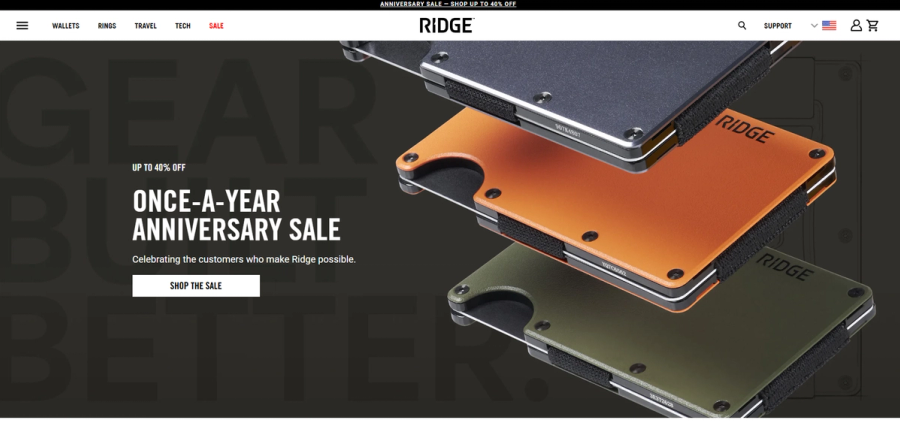
The beginning
The Ridge initially relied heavily on paid ads.
But they realised long-term stability required organic infrastructure.
Paid traffic fluctuates. SEO compounds.
What they did differently
They made SEO a core growth strategy.
They invested in:
- SEO-optimised product pages
- Collection page optimisation
- Comparison content
- Gift guides
- Lifestyle and EDC content
- Backlink building
Every piece of content tied directly to buying intent.
The turning point
The Ridge began ranking for high-intent keywords:
- “Best minimalist wallet”
- Gift searches
- EDC gear searches
Organic discovery turned into consistent revenue.
Email capture ensured visitors didn’t disappear after one visit.
The result
Organic search became a stable revenue driver.
Instead of relying fully on ads, they built traffic that compounds monthly.
Shopify SEO basics that actually move revenue
Your highest-value SEO assets:
Product pages
- Unique keyword-focused titles
- Conversion-focused meta descriptions
- Clear product descriptions
Collection pages
Target search intent like:
- “Minimalist wallets for men”
- Not just “wallets”
Technical SEO
- Fast site speed
- Clean theme
- Compressed images
- Proper image alt text
Content that converts
Focus on buying intent:
- Comparison posts
- Gift guides
- Product roundups
These convert better than purely informational posts.
Backlinks
Still critical.
Get featured in:
- Gift guides
- Niche publications
- Product roundups
Authority compounds across all pages.
The AI search opportunity most Shopify brands are missing
Product discovery is shifting.
Customers now ask:
- ChatGPT
- Perplexity
- Google AI results
When someone asks “best minimalist wallet,” AI pulls from existing web content.
Brands with:
- Strong educational content
- Detailed product pages
- Clear comparisons
- Authority mentions
are more likely to be recommended.
What to do now
- Make product pages detailed and clear
- Answer customer questions directly
- Build authority content
- Get mentioned on reputable sites
SEO and AI discovery are now the same investment.
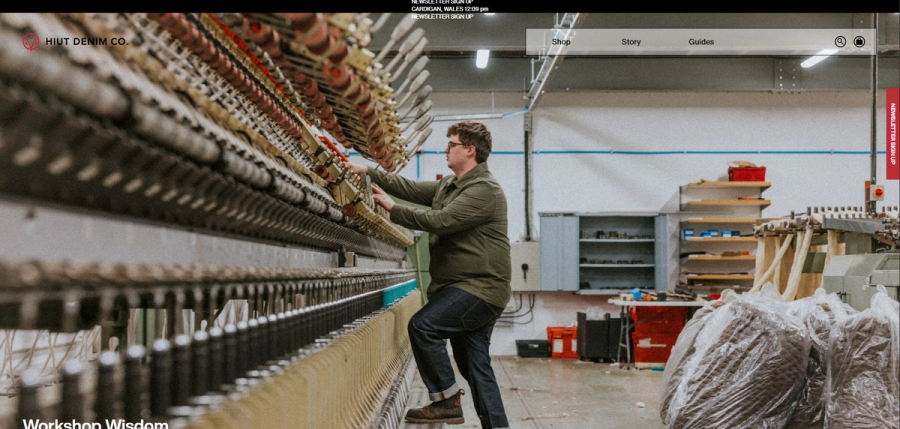
04Hiut Denim: How Story and Craft Built a Global Premium Brand
Website: https://hiutdenim.co.uk
The beginning
Hiut Denim didn’t grow by outspending competitors.
They grew by out-narrating them.
Founded to revive denim manufacturing in Cardigan, Wales, the brand focused on story and craft rather than ads.
Their mission:
Bring skilled jean makers back to work.
That story became the foundation of the brand.
What they focused on
Hiut invested heavily in:
- Founder storytelling
- Behind-the-scenes manufacturing content
- Transparency about production
- Craft and quality narratives
- SEO blog content around philosophy and process
Every piece of content reinforced identity and purpose.
The turning point
Their story attracted the right customers:
Not bargain hunters.
Buyers who cared about quality and meaning.
When Meghan Markle wore Hiut jeans, demand exploded.
But the organic foundation was already built.
The result
Hiut Denim became a globally recognised premium brand with:
- Strong organic presence
- Loyal customers
- Minimal reliance on paid ads
Story built the brand.
What this means for your store
Every brand has a story. Most never tell it properly.
Start with the founder story
Answer:
- Why does this brand exist?
- What problem are you solving?
- What do you believe that others don’t say?
Put this clearly on your site.
Show craft and process
If quality matters:
- Show sourcing
- Show production
- Show behind-the-scenes
Transparency builds trust.
Build a strong brand identity
Premium positioning comes from:
- Consistent visuals
- Strong photography
- Clear tone of voice
- Thoughtful packaging
Details matter.
Make values specific
Avoid vague statements.
Show exactly:
- What you stand for
- What you believe
- What you prioritise
Specific values attract loyal customers.
05The Bigger Lesson for Shopify Brands
The brands that command loyalty and premium pricing rarely win because of ads.
They win because of:
- Authority
- Community
- Search visibility
- Clear identity
Paid ads can accelerate growth.
But organic infrastructure makes it sustainable.
Build systems that compound:
- Content
- Community
- SEO
- Brand identity
Do that and your store grows every month, even when ads are turned off.
Sources
- Beardbrand
- Gymshark
- The Ridge
- Shopify case study on Beardbrand
- Mixergy interview with Eric Bandholz
- Shopify Masters podcast
- Forbes: How Gymshark grew into a billion-dollar brand
- BBC: Gymshark valuation and growth story
- Business of Fashion: Gymshark community strategy
- General Atlantic investment (2020 unicorn status)
- Shopify blog: DTC growth and SEO strategy examples
- Ahrefs case studies on ecommerce SEO + product-led SEO
- CommonThread Collective (DTC growth analysis)
- Ridge founders on DTC + SEO growth
- Paid + organic blended strategy analysis
- Hiut Denim
- BBC: Cardigan factory story & brand revival
- The Guardian: Hiut Denim manufacturing story
- Shopify blog case study: storytelling and craft brands
Frequently Asked Questions
Can a Shopify store grow without paid ads?+
How long does it take for SEO to grow a Shopify store?+
Is SEO or paid advertising better for ecommerce?+
What is the most important organic growth channel for Shopify stores?+
Why do most Shopify stores struggle with organic growth?+
What type of content actually drives ecommerce sales?+
Should new Shopify stores focus on paid ads or organic first?+
How does AI search affect Shopify stores?+
Want This Built For Your Shopify Store?
Most founders know they should be investing in SEO, email, content, and retention. The problem is actually setting it up and managing it properly. That’s where we come in. We help Shopify brands install and manage the organic growth systems that turn stores into predictable revenue engines: SEO and content infrastructure Email and retention systems Conversion and product page optimisation Shopify development and integrations Ongoing technical support and improvements If your store is already generating revenue and you want to build something stable that grows every month, we should talk.
