How to Get Traffic to Your Shopify Store (What Actually Works in 2026)
The no-fluff guide to getting your first 100 sales on Shopify.

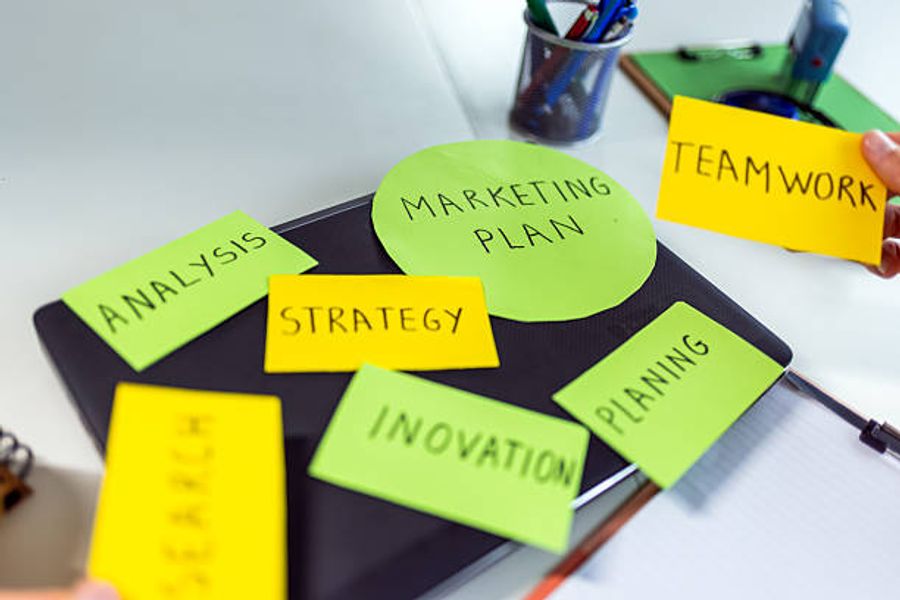
Ecommerce might seem like a huge hurdle to cross. But to be honest with you, the only real hurdles to success in ecommerce are time and money. Because at its core, ecommerce is just a numbers game. You drive traffic, you convert a percentage of it, and you maximize what each customer is worth. That's it. So if you're struggling to generate more sales, here's the no-fluff, no-BS breakdown of exactly what's broken and what you need to fix first.
01Intro: Diagnose the actual problem
Before you change anything, you need to know which problem you actually have. Almost every Shopify store that isn't making enough money has one of three issues:
Not enough traffic coming in
Traffic arriving but not converting into sales
Sales happening but each customer not being worth enough to make the business sustainable.
These three problems have completely different solutions, so fixing the wrong one wastes time and money.
Open Shopify Analytics right now and look at three numbers: your monthly sessions, your conversion rate, and your average order value. Those three numbers will tell you exactly where to focus. If your sessions are below 1,000 a month, you have a traffic problem. If your sessions are reasonable but your conversion rate is below 1.5 percent, you have a conversion problem. If people are buying but your average order value is low and customers aren't coming back, you have a retention and LTV problem. Most stores have all three to some degree, but one is almost always the most urgent. Fix that one first.
Sessions below 1,000 a month: focus on traffic first.
Conversion rate below 1.5 percent: fix the store before spending more on ads.
Customers buying once and never returning: your retention system is missing.
This is Part 1 of a three part series. Part 1 covers how to get traffic to your store and the honest realities of each channel. Part 2 covers how to turn that traffic into sales. Part 3 covers how to maximize what each customer is worth once they buy. If your primary problem right now is traffic, start here. If you already have traffic and it isn't converting, skip ahead to Part 2.
02Part One: You don't have enough traffic
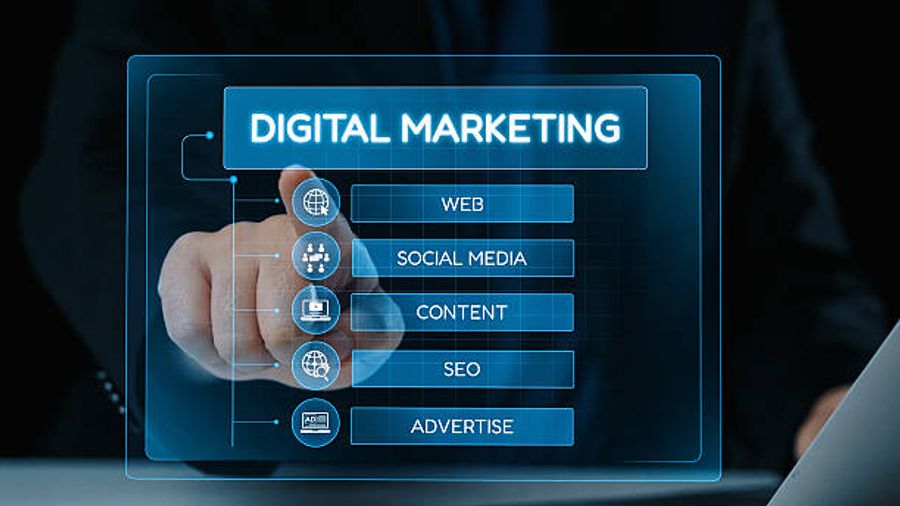
No traffic means no sales. It doesn't matter how good your product is or how well your store converts. If nobody is arriving, nothing happens. According to Shopify, there are now over 5.2 million active stores on the platform globally, which means the competition for attention in almost every category is real and growing. The question isn't whether to drive traffic. It's which method to build first. Trying to do everything at once produces nothing. Pick one traffic channel, build it properly, and get it to a consistent volume before adding another.
Paid advertising
Paid ads are the fastest way to get traffic to a new store. Meta Ads and Google Ads are the two primary channels for most ecommerce brands. Meta works well for products with strong visual appeal and a clearly defined audience. You are interrupting someone's scroll and getting them to care about something they weren't already looking for. Google works better for products people are already searching for, where you can capture existing intent rather than create new demand. The tools to start with are Meta Ads Manager for Facebook and Instagram, and Google Ads with Shopping campaigns enabled through the Shopify Google sales channel integration.
Search engine optimization
SEO takes longer than paid ads but produces traffic that compounds over time and doesn't stop when you stop paying. For a Shopify store, SEO breaks into three areas: on-page optimization of your product and collection pages, technical health of the site including speed and mobile performance, and content marketing through blog posts targeting keywords your customers are searching before they are ready to buy. The tools to use are Google Search Console to see what you're already ranking for and where you're losing clicks, Semrush or Ahrefs for keyword research, and Shopify's built-in SEO fields for meta titles and descriptions across every product and collection page.
Social media and organic content
Organic social is a slow build but a valuable one, particularly for brands where the product or the person behind it is inherently visual or story-driven. TikTok and Instagram are the highest-leverage platforms for most DTC products right now. The format that consistently works is short-form video that shows the product in real use, demonstrates a result, or tells the story behind the brand. Posting consistently and engaging with your audience compounds over time into a traffic channel that runs alongside your paid and SEO efforts. There is no shortcut to organic reach other than consistent output and genuine engagement.
Affiliate and influencer marketing
Affiliate marketing lets other people drive traffic to your store in exchange for a commission on sales they generate. It's one of the best low-risk traffic channels for stores with a proven product because you only pay when a sale happens. The way to set this up on Shopify is through apps like Refersion or UpPromote, which handle tracking, commission payouts, and affiliate dashboards. Affiliates can be bloggers, content creators, niche community members, listicle publishers, and even discount coupon platforms. Each one gets a unique tracking link and earns a percentage of every sale they send your way.
Referral programs
A referral program turns your existing customers into a traffic channel. Give customers a compelling reason to share your store with their network, whether that is a discount on their next order, store credit, or a gift with purchase, and make it simple to do. Apps like ReferralCandy or Smile.io handle the mechanics. The math on referral is compelling: research consistently shows that referred customers convert at a higher rate and retain longer than almost any other traffic source because they arrive with social proof already attached to the recommendation.
B2B partnerships and wholesale
If your product has commercial applications or fits naturally into another business's offering, B2B and wholesale channels can generate significant order volume without the ongoing cost of consumer acquisition. This means approaching retailers, service providers, subscription boxes, corporate buyers, or companies selling adjacent products to yours and offering either wholesale pricing or a formal referral partnership. Shopify's B2B features on Plus handle tiered pricing and net payment terms natively, and even on a standard plan apps like Wholesale Club or Locksmith can create a separate wholesale pricing structure.
Horizontal and Omnichannel expansion
Your Shopify store doesn't have to be the only place you sell. Amazon, Walmart Marketplace, Etsy, and TikTok Shop all represent audiences you are not currently reaching through your own store. Each channel has its own rules, fees, and competitive dynamics, but the principle is the same: more channels mean more surface area for discovery. Shopify integrates natively with most major marketplaces through the Sales Channels section of your admin, which handles inventory sync and order management across platforms without requiring a separate system.
Where to send each type of traffic
This is one of the most overlooked rules in ecommerce and getting it wrong quietly kills conversion rates. Paid and direct traffic, meaning people arriving from an ad or a link you sent them, should land on the specific product page the ad or message was about. Never send paid traffic to your homepage. SEO traffic, which typically comes from people searching category-level terms, should land on collection pages that give them options within the relevant category. Homepage traffic is primarily word-of-mouth and brand traffic, people who heard about you somewhere and came looking. Your homepage should be built for that visitor: someone who knows they're interested but hasn't decided what to buy yet.
03The hard reality of marketing
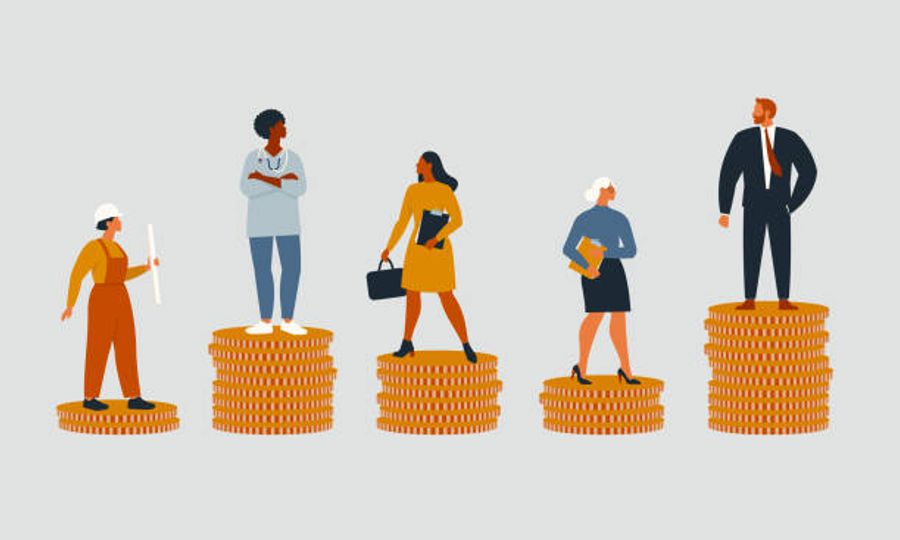
Before you pick a channel and start building, you need to understand what you are actually signing up for. Most content about ecommerce traffic makes every method sound accessible and straightforward. It isn't. Each channel has a real cost, either in money or in time, and understanding that cost upfront is what separates the store owners who build something sustainable from the ones who dabble in everything and get results from nothing.
This goes back to what we said at the start. The only two things standing between you and success in ecommerce are time and money. Every traffic channel costs one or the other. Some cost both. There is no free lunch, and the sooner you accept that, the sooner you can make a real decision about where to invest.
Facebook and Instagram ads
Paid social is the fastest way to get traffic but it is also the most unforgiving channel for a store that isn't ready. The hard reality is that Facebook ads have become significantly more expensive and more competitive over the past few years. You are not just competing with other stores in your category. You are competing with every brand running ads to the same audience at the same time. Cost per click on Meta averages between $0.50 and $3.00 depending on your niche and audience, and cost per purchase for most ecommerce brands runs between $15 and $60 before your store is optimized and your creative is proven. That means you could spend $500 testing ads and get 10 to 30 sales. Or you could spend $500, learn that your creative doesn't convert, and walk away with data and no sales.
The brands winning on paid social are not winning because they found a magic audience or a clever targeting trick. They are winning because they have strong creative, specifically short-form video UGC that looks native to the feed, a product page that converts the traffic the ad sends, and enough budget to test properly. A real testing budget is at least $1,500 to $3,000 for the initial creative and audience testing phase. Below that you don't have enough data to make real decisions. If you are not prepared to invest that and to treat the first month as a learning exercise rather than a profit exercise, paid social will cost you money and teach you very little.
SEO and content marketing
SEO is the channel everyone wants because it feels free. It is not free. It costs time, and time is money. Writing a blog article that actually ranks requires real research, genuine expertise, and enough quality that Google considers it worth surfacing above the thousands of other articles competing for the same keyword. With AI-generated content flooding every niche, the bar for what ranks has risen sharply. A template-generated article will not rank. A genuinely useful, well-researched, specifically targeted piece of content written for a real reader can rank and compound traffic for years. But it takes hours to produce and you need dozens of them before SEO becomes a meaningful traffic channel.
If you are doing this yourself, budget 5 to 10 hours per quality article and expect 6 to 12 months before SEO produces consistent traffic. If you are paying for it, quality SEO content from a writer who understands your niche runs $300 to $800 per article. Content farms and AI-generated bulk content produce material that ranks for nothing and damages your domain's credibility in the process.
UGC and organic social
User-generated content and organic social are genuinely powerful but only if you treat them as a real production and outreach operation rather than a side task. Getting good UGC means either sending free product to creators and building a system around collecting and repurposing the content they produce, or paying creators directly for content you own the rights to use in ads and on your product pages.
A structured UGC seeding campaign means sending product to 20 to 30 micro-creators and collecting content usage rights. UGC video rates from content-first creators typically run between $100 and $500 per video Influencer Hero, meaning a campaign producing 10 to 20 usable assets costs between $1,000 and $2,000 before product and shipping costs, and produces enough raw material to fuel months of organic and paid creative.
The outreach itself is labor intensive. Finding the right creators, personalizing the ask, following up, briefing them on what you need, and then editing and repurposing the content they produce is a genuine time investment. People underestimate this because it looks casual on the surface. The brands doing it well have a system and a dedicated person running it.
Affiliate marketing
This is where the hard truth needs to be said directly. A lot of store owners think affiliate marketing means someone else does the selling for them. It doesn't work that way. Affiliates promote products that already convert. They have audiences they have spent years building and they are not going to risk their credibility on a product from a store with no reviews, weak creative, and an unoptimized checkout. If you cannot sell your product yourself, an affiliate cannot sell it either. You are not passing the baton to someone more capable. You are hoping someone else can solve a problem you haven't solved yourself.
Affiliate marketing works when you already have a converting product, a proven offer, and a store that closes sales. At that point affiliates become a powerful distribution channel because you are giving them something that already works. Getting there requires building a commission structure that is genuinely attractive, typically 15 to 25 percent for physical products, creating affiliate resources including banners, swipe copy, and product images, and actively recruiting and managing relationships with affiliates who have the right audience. It is a real marketing discipline, not a passive income strategy.
Referral programs
Referral programs have the same prerequisite as affiliates: your existing customers need to love your product enough to recommend it. If your repeat purchase rate is low and your reviews are thin, a referral program will generate almost no activity because you don't have a base of enthusiastic customers to draw from. The mechanics are simple and apps like ReferralCandy or Smile.io handle the infrastructure, but the fuel is customer satisfaction. Build that first.
B2B and wholesale
Going B2B or wholesale sounds like a volume solution but it is fundamentally a relationship and operations problem. Wholesale buyers expect significant margin, typically 50 percent off retail or more, which means your product economics need to support that structure before it makes financial sense. Getting in front of wholesale buyers requires outreach, samples, and a pitch that makes the commercial case for why stocking your product is worth their shelf space or catalog. It is slower than consumer acquisition but the order sizes are larger and the relationships are stickier once established. Budget time for outreach, sampling costs, and the operational reality of fulfilling larger orders on a timeline that meets a wholesale buyer's requirements.
Expanding to Amazon, Walmart, and other marketplaces
Marketplaces are their own distinct skill set. Amazon in particular is a competitive environment where organic ranking requires reviews, which requires sales, which requires either paid advertising inside Amazon or an external traffic strategy that drives initial purchase velocity. Amazon's internal advertising costs have risen significantly over the past three years, and the fees including referral fees, FBA fulfillment fees, and storage fees eat into margins in ways that consistently surprise store owners who haven't modeled the economics properly. The operational overhead of managing inventory across multiple channels, reconciling orders, and meeting marketplace customer service standards is real and ongoing. Half-committing to a marketplace channel produces half the results at twice the frustration.
04What this all means
Every channel works. None of them work without real investment. The store owners who succeed are the ones who pick one channel, commit to it properly with real budget or real time, and build it until it produces consistent results before adding the next one. The ones who struggle do a little of everything, underfund all of it, and spend months wondering why nothing is gaining traction.
Time or money. You need one of them in real quantity for any of this to work. If you have budget, start with UGC and organic to compress the learning curve. If you have time, start with SEO and design heavy organic content and build an asset that compounds. If you have neither right now, the honest answer is that you need to fix that constraint before you can expect the store to scale.
Frequently Asked Questions
How do I know if I have a traffic problem or a conversion problem?+
Which traffic channel should I start with?+
Where should I send my ad traffic?+
Is affiliate marketing a good starting point for a new store?+
How much should I budget to test Facebook ads?+
Find out which marketing funnel is right for your store
: Every store is different. The funnel that works for a $30 supplement brand is not the same one that works for a $300 furniture piece. We will audit your store, look at your product, your margins, your current traffic, and your goals, then map out the exact marketing funnel that makes the most sense for where you are right now. You will walk away with a clear picture of which channel to build first, what it will realistically cost, and what results you can expect at each stage.
