How Shopify Stores Add $20K/Month With Affiliate Programs
Real examples of Shopify affiliate programs and how to implement a structured affiliate marketing system in your store.


Affiliate marketing does not scale because you installed an app.
It scales because you built a structured distribution channel with aligned incentives, performance tracking, margin discipline, and consistent management.
The Shopify brands that turned affiliate programs into serious revenue engines treated them like core infrastructure. They recruited intentionally. They designed compensation carefully. They integrated affiliates into brand strategy. And they measured performance relentlessly.
Below is a deeper breakdown of how specific Shopify-powered brands leveraged affiliate-style programs to drive real growth, followed by practical frameworks you can apply to your own store.
01Gymshark: Building a Long-Term Ambassador Infrastructure
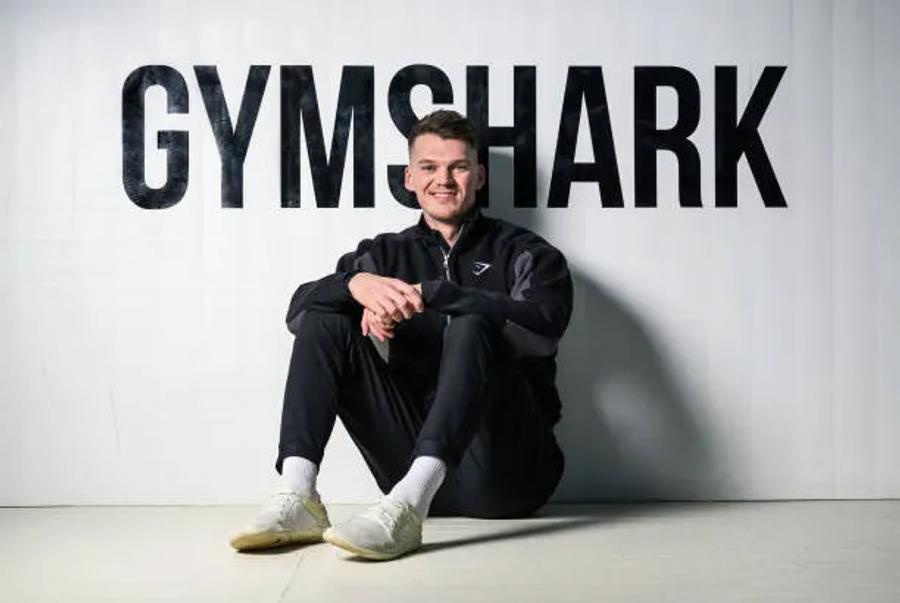
Gymshark’s early growth was heavily driven by fitness influencers who functioned as brand ambassadors. While not every relationship was labeled “affiliate,” the structure mirrored performance-based affiliate systems.
What Gymshark Did Strategically
Gymshark did not run a public, open affiliate marketplace. Instead, they:
- Identified rising fitness influencers early in their careers
- Formed long-term ambassador agreements
- Issued personalized discount codes
- Structured compensation around performance
- Integrated ambassadors into brand launches and campaigns
- Highlighted ambassadors on Gymshark’s own channels
This created alignment between brand growth and creator income. Influencers were financially incentivized to promote repeatedly, not once.
Why It Worked
Gymshark built consistency instead of sporadic promotion. Influencers became extensions of the brand identity. Because audiences saw repeated endorsement over time, trust deepened and conversion rates improved.
The brand did not depend on paid ads alone. It created distributed authority across hundreds of fitness communities.
How You Can Apply This Model
Even if you are a smaller Shopify brand, you can replicate this structure: the key is being intentional about who you partner with and how you structure incentives.
Start with quality over volume.
Identify 20–30 creators who align tightly with your niche, audience psychology, and brand positioning. Do not just look at follower count. Look at engagement quality, audience trust, and content style alignment.
Go beyond passive marketplace discovery. Actively search for rising or undiscovered talent on platforms like TikTok, Instagram, and YouTube. Smaller creators often convert better because:
• Their audiences are more engaged
• Their recommendations feel authentic
• Their CPM expectations are lower
• They are more open to performance-based partnerships
Instead of offering generic affiliate links, provide:
• Personalized discount codes
• Clear commission percentages
• Transparent payout timelines
• Tiered incentives for top performers
Build long-term incentive ladders so creators can grow with you. Performance-based bonus tiers, higher commission brackets, and early product access turn short-term promotions into recurring partnerships.
Maintain direct communication and spotlight your top affiliates publicly. Featuring creators builds loyalty and social proof simultaneously.
The key takeaway is simple:
Curate your affiliate network.
Do not treat it as an open sign-up experiment.
Strategic partner selection leads to better conversion rates, stronger brand alignment, and sustainable growth.
02MVMT Watches: Margin-Funded Affiliate Scaling

MVMT’s explosive early growth wasn’t just about having a good product, it was about structuring influencer and affiliate partnerships as a quantifiable acquisition infrastructure, not a side channel.
MVMT Use Margins To Their Advantage
MVMT sold watches, a category with strong gross margins, which gave them a strategic edge most ecommerce brands don’t start with.
High margins enabled them to offer affiliate partners aggressive commissions while still remaining profitable, effectively turning affiliate payouts into a viable alternative to paid advertising.
Instead of low-impact promo codes or one-off influencer posts, they built a system with clear mechanics and measurable performance.
They structured their affiliate ecosystem around:
- Unique discount codes for each influencer: so every partner’s impact could be tracked granularly
- Trackable referral links: enabling accurate attribution of conversions and revenue
- Transparent payout terms: clear commission rates and timelines
- Performance-based scaling: tiered incentives that rewarded high performers with better rates
Critically, they focused on platforms and content formats that matched their brand:
- Instagram and lifestyle feeds where aspirational visuals
blended naturally into creators’ regular content - Creators whose personal aesthetic matched MVMT’s minimalist, aspirational style, giving the brand contextual relevance rather than interruptive ads
This wasn’t scattershot sponsorship; it was systemized creator commerce.
How Shopify Store Owners Can Implement This
Before launching an affiliate program, you should calculate your economics first. Affiliate growth is not driven by excitement or outreach alone. It is driven by math. If the numbers do not work at scale, the program will stall no matter how strong the creator relationships are.
1. Start With Your True Gross Margin
You should calculate your gross margin per product accurately. This means subtracting cost of goods, packaging, shipping, payment processing fees, and a realistic allowance for returns. Many brands overestimate profitability because they ignore secondary costs. If your margin calculation is incomplete, your commission structure will eventually break under volume.
A clear margin number gives you the boundaries for what you can sustainably pay.
2. Confirm Your Average Order Value
Affiliate commissions are typically paid as a percentage of total order value. Because of this, your average order value directly impacts how aggressive your commission can be.
A store with a $150 average order value has significantly more flexibility than a store with a $60 average order value. Without knowing your AOV, you are guessing at what affiliates can realistically earn per conversion.
Affiliates respond to earnings per sale, not just percentage rates.
3. Compare Against Paid Acquisition Costs
You should evaluate what you currently pay to acquire a customer through ads. If your paid customer acquisition cost is $40, then an affiliate payout between $25 and $35 may be competitive while still protecting margin.
Affiliate commission is not an “extra expense” if it replaces paid advertising. It is simply an alternative customer acquisition cost. When framed correctly, affiliate becomes part of your performance marketing strategy, not a side channel.
4. Calculate Your Maximum Sustainable Commission
Once you know your gross profit per order, average order value, and paid acquisition cost, you can determine your maximum sustainable commission. This number should allow room for profit and reinvestment, but it must also be meaningful enough to motivate creators.
A five percent commission on a low-ticket product rarely drives sustained effort. If the payout per sale is too small, affiliates will not prioritize your brand or optimize their content.
Compensation must reflect value creation.
5. Think in Terms of Lifetime Value
If your customers reorder or subscribe, your flexibility increases. Brands with strong lifetime value can justify higher upfront commissions because long-term profit supports the acquisition cost.
Scaling brands design affiliate programs around lifetime value, not just first-order margin.
03Fashion Nova: Volume and Saturation Strategy

Fashion Nova didn’t grow by traditional advertising. Instead, the brand leaned into social media and influencer marketing at scale to build pervasive visibility and ongoing cultural presence. What looks like a scaled affiliate system is actually a volume-driven creator engine anchored in repeated, decentralized promotion across thousands of creators from everyday micro-influencers to major celebrities.
The Market Saturation Strategy
1. Activated a Large, Tiered Creator Network
Rather than focus only on a few elite influencers, Fashion Nova partnered with creators across audience tiers. This included celebrity partnerships (e.g., Cardi B, Kylie Jenner) and a massive roster of micro-influencers.
2. Prioritized Micro-Influencers and Community Content
Fashion Nova’s system centered on flooding social feeds with authentic, relatable posts from everyday creators. They didn’t just send gifted products, they enabled creators with a simple posting framework that encouraged frequent sharing and repetition.
3. Used Structured Content Conventions + Hashtags
The brand developed systematic hashtags and content formats that aligned creator posts with key product verticals (e.g., #NovaSwim, #NovaCurve). This made creator content easier to discover, track, and repurpose across marketing channels.
4. Distributed Discount Codes and Engagement Incentives
Many nano/micro creators received product gifts and optional affiliate-style incentives. For creators motivated by free product and community status, this often generated higher participation and frequent posts, especially when each creator’s posts helped fuel shareable content loops.
Saturation Builds Familiarity and Authority
When audiences repeatedly see a brand across multiple creators within the same niche, perceived authority increases. Fashion Nova’s strategy was mass saturation ubiquitous signals everywhere rather than a few isolated posts.
This had several effects:
- Consistent Presence Across Feeds: By activating thousands of micro-influencers, Fashion Nova appeared constantly in users’ social feeds, increasing brand recall and cultural visibility.
- Broad Demographic Reach: Different creators served varied audience segments, expanding the brand’s digital footprint across multiple niches and communities.
- Authenticity Through Relatability: Micro-influencers often have higher engagement rates and viewer trust than celebrity posts. Their frequent, authentic styling posts helped the brand feel accessible and real.
- Earned Media Value (EMV): Rather than paying for traditional ads, massive creator output generated earned impressions worth millions in media value, demonstrating that social reach can rival or outperform paid acquisition.
In short, instead of a selective affiliate lineup with custom links and commissions, Fashion Nova’s strategy was a network effect of distributed creator advocacy with multiple creators independently amplifying brand visibility, driving social proof, and integrating brand content into everyday fashion conversations.
How Smaller Stores Can Apply This
You do not need thousands of influencers to create momentum. What you need is structure.
Large brands like Fashion Nova relied on saturation, but smaller Shopify brands can replicate the principle through controlled waves of activation. The goal is not volume. The goal is engineered repetition and escalating incentives.
Instead of launching an open affiliate program and hoping creators post, design a structured rollout.
Month 1: Activate a Controlled Wave
Recruit 8–12 micro-creators who align tightly with your niche. Focus on engagement quality rather than follower count. Offer a competitive commission, such as 15 percent, along with clear payout timelines and simple tracking.
This first phase is about testing conversion, messaging angles, and identifying who takes initiative.
At this stage, you are not scaling yet. You are observing.
Month 2: Elevate Top Performers
Review performance data and identify your top three creators based on revenue generated, content quality, and consistency.
Reward those creators with a commission increase to 20 percent or introduce performance bonuses.
This does two things:
• It reinforces that effort is rewarded.
• It signals to the broader group that higher tiers are achievable.
Affiliate programs gain traction when creators see visible upside.
Month 3: Introduce Structured Incentives
Launch a limited-time bonus for affiliates who exceed a defined revenue threshold.
For example:
Creators who generate $5,000 in tracked sales during a 30-day window receive:
• A commission boost
• A cash bonus
• Early product access
• Exclusive discount codes
This structured push injects urgency and creates internal competition.
Momentum does not happen by accident. It is engineered.
Why This Framework Works
Smaller brands often make one of two mistakes. They either:
• Recruit too many creators with no oversight.
• Offer flat commissions with no incentive to grow.
A wave-based model prevents stagnation. It introduces rhythm, escalation, and performance pressure in a controlled way.
Affiliate growth is not passive. It requires periodic energy injection through contests, tiered rewards, and clear revenue targets.
When creators know that performance unlocks more upside, they treat your brand as a real revenue opportunity rather than a one-time promotion.
The Strategic Shift
You do not need thousands of influencers to create authority. You need:
• Repetition within your niche
• Visible performance rewards
• Clear commission economics
• Structured activation waves
When structured correctly, even a small network can generate meaningful momentum.
04Beardbrand: Education-Driven Affiliate Strategy
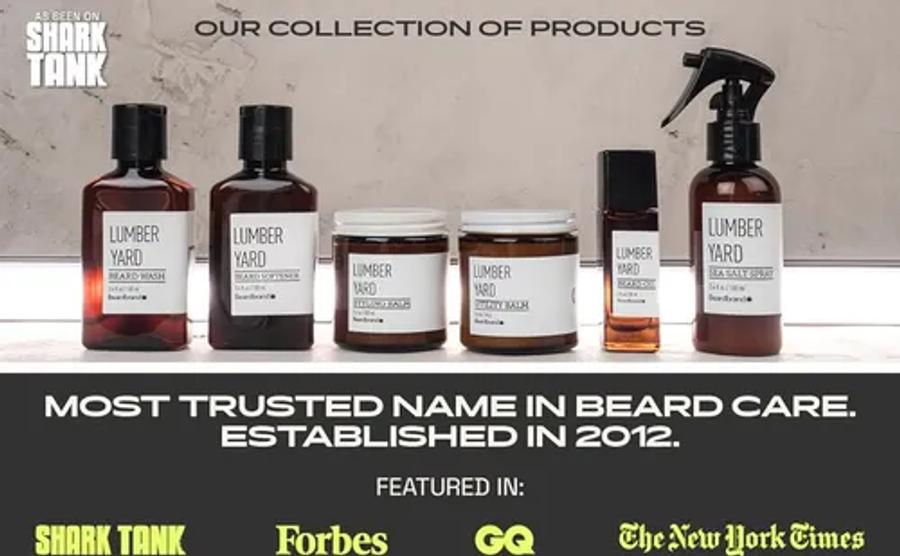
Beardbrand did not build its early growth primarily through discount-driven influencer blasts. Instead, the brand systematically partnered with educators and grooming professionals who were already producing instructional content within the men’s grooming niche.
05Educational Content Partnerships
Beardbrand aligned with creators who already had authority in beard care and men’s style. Rather than targeting broad lifestyle influencers, they focused on:
• Professional barbers
• Grooming YouTubers
• Men’s style educators
• Content creators teaching beard maintenance routines
They prioritized platforms where long-form education performed well — especially YouTube.
Instead of one-off sponsored posts, Beardbrand integrated its products directly into educational content. This included:
• Step-by-step beard trimming tutorials
• Grooming routine walkthroughs
• “Best beard products” breakdowns
• Product comparison reviews
• Styling demonstrations using Beardbrand oils and balms
The product was shown being used in real time during the tutorial. It was not positioned as a discount offer — it was positioned as part of the process.
Referral links were placed in video descriptions, blog posts, and pinned comments. In many cases, the product recommendation was accompanied by a short explanation of when and why to use it.
Beardbrand also developed its own educational media presence. The company invested heavily in:
• Long-form grooming tutorials
• Barber shop conversations
• Style discussions
• Men’s self-improvement content
This allowed them to collaborate naturally with creators already in that ecosystem. Partnerships felt aligned rather than transactional.
Instead of blasting generic discount codes, they often relied on:
• Contextual product mentions
• Demonstrations during instruction
• Subtle calls to action
• Occasional referral tracking links
In many cases, the creator’s credibility carried more weight than the incentive.
Why It Worked
Educational content converts differently from pure promotional content.
When creators explain:
- How to use the product
- Why it matters
- What problems it solves
Trust increases and refund rates decrease. Customers arrive pre-qualified.
This created long-term revenue stability rather than short-term spikes.
How You Can Apply This
If your product benefits from explanation, demonstration, or technical expertise, you should not approach affiliate marketing the same way as a fashion or impulse-purchase brand. Education-based affiliate partnerships require intentional structure and content alignment.
Target Creators Who Teach
You should prioritize creators who educate rather than simply promote. Look for YouTubers, niche educators, industry professionals, or subject-matter experts whose audiences expect instruction. The goal is not reach alone. The goal is contextual authority. When a creator is already explaining how something works, your product can be integrated naturally into that process instead of feeling like an interruption.
Provide Structured Guidance
Creators perform better when they understand the product clearly. You should provide structured talking points and FAQs that outline key differentiators, use cases, and common objections. However, you should avoid rigid scripting. The objective is to give creators clarity while allowing them to teach in their own voice. The more confidently they understand the product, the more effectively they can demonstrate it.
Incentivize Depth, Not Just Mentions
Long-form tutorial content requires more time, production effort, and subject understanding than a short promotional post. Because of this, you should consider offering higher commission tiers or bonus incentives for tutorial-style content. When compensation reflects effort, creators are more likely to invest in quality demonstrations rather than surface-level mentions.
Repurpose What Converts
High-performing educational affiliate content should not live in isolation. You should repurpose top-performing tutorials into paid advertisements, retargeting campaigns, or whitelisted ads. Educational content that converts organically often performs well when amplified. This allows you to extend the value of each partnership beyond a single post.
Focus on Customer Quality
Education-based affiliates often drive higher lifetime value customers. When a buyer understands how and why to use a product before purchasing, expectations are clearer and intent is stronger. This frequently results in lower return rates, better product adoption, and increased repeat purchases.
06
07Core Structural Principles Behind Successful Affiliate Programs
Across these brands, several structural patterns appear consistently.
Clear Compensation Structure
Affiliates need clarity on:
- Commission rate
- Cookie duration
- Payout timing
- Performance tiers
Ambiguity discourages participation.
Active Recruitment and Vetting
Successful brands do not wait passively for signups. They identify and recruit aligned creators intentionally.
Performance Monitoring
High-performing affiliate programs monitor:
- Revenue per affiliate
- Conversion rate
- Average order value
- Refund rate
Inactive affiliates are removed. Top affiliates are rewarded.
Margin Discipline
Before scaling affiliates, brands calculate:
- Gross margin
- Fulfillment costs
- Payment processing fees
- Refund exposure
Affiliate growth only scales when unit economics are healthy.
08Implementation Blueprint for Shopify Store Owners
If you want to build a serious affiliate engine inside your Shopify store:
- Confirm your margins support commission payouts.
- Select a Shopify affiliate app with reliable tracking and reporting.
- Start with curated outreach rather than public signup.
- Offer tiered incentives to encourage performance growth.
- Integrate affiliate efforts into email, product launches, and paid ads.
- Review performance monthly and adjust commissions strategically.
Affiliate programs require management. They are not passive systems.
How’s it done?
The Shopify stores that unlocked serious growth through affiliate marketing did not treat affiliates as a side experiment.
They built structured distribution systems.
They aligned incentives with margin.
They recruited intentionally.
They measured performance consistently.
And they integrated affiliate programs into their broader marketing infrastructure.
When executed properly, affiliate marketing becomes one of the most scalable and cost-efficient growth channels available to a Shopify brand.
When executed casually, it becomes a forgotten feature in your app dashboard.
Structure determines outcome.
Sources
Frequently Asked Questions
Is affiliate marketing worth it for Shopify stores?+
How long does it take for an affiliate program to generate revenue?+
What commission rate should I offer affiliates?+
What’s the best affiliate app for Shopify?+
How do I recruit affiliates for my Shopify store?+
Why do most Shopify affiliate programs fail?+
Is affiliate marketing better than influencer marketing?+
Can affiliate marketing replace paid ads?+
Do affiliate customers have higher lifetime value?+
How much revenue can affiliate marketing generate?+
Ready to Turn Affiliate Marketing Into a Real Revenue Channel?
Most Shopify brands already have the pieces: customers, traffic, and a product people like. What they don’t have is a structured affiliate system that consistently brings in new customers without increasing ad spend. That’s where we come in. We help Shopify brands build affiliate programs that actually produce revenue by installing the right infrastructure from day one: Platform setup and tracking configured correctly Commission structures that attract serious partners Creator and customer recruitment systems Landing pages and assets that convert Email and retention integration so every new customer compounds When affiliate marketing is built properly, it stops being an experiment and becomes a predictable acquisition channel that grows over time. If your store already has traction and you want to scale without relying entirely on paid ads, we should talk.
