How to Fix GoHighLevel Facebook Lead Ads Not Syncing
A Complete Guide to Troubleshooting Facebook Lead Ads Integration Issues, Missing Leads, Meta Permissions, CRM Sync Errors, Automation Failures, and Lead Routing in GoHighLevel


01The Ads Are Working. The CRM Is Silent.
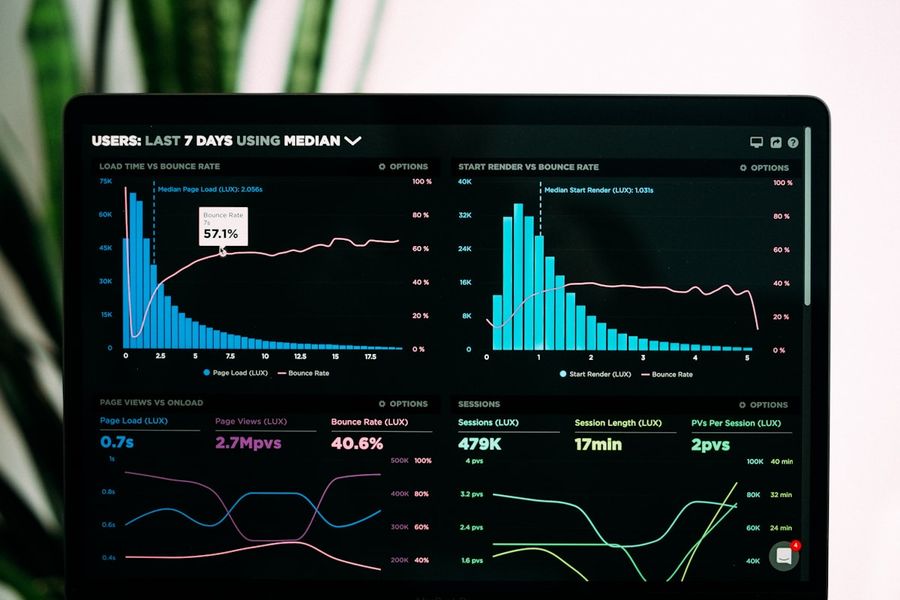
A Facebook Lead Ad campaign launches. Ad spend increases steadily. Meta's own dashboard reports dozens of new leads coming in every day. And inside GoHighLevel: nothing. No new contacts. No internal notifications. No workflows firing. No appointments getting booked. No opportunities showing up anywhere in the pipeline. Meanwhile, a competitor running a similar campaign is responding to their own leads within minutes, while these leads sit completely untouched, growing colder by the hour.
Speed to lead matters enormously here, and a broken sync doesn't just mean missing data sitting in a spreadsheet somewhere. It means real sales opportunities the business already paid for are quietly evaporating while nobody notices. This guide explains how to fix GoHighLevel Facebook Lead Ads not syncing, tracing the actual integration chain step by step to find precisely where it broke, rather than guessing at a fix and hoping it works.
The complete chain runs from a Facebook Lead Ad, into Meta's own Lead Form, through Meta's integration layer, into the GoHighLevel connection itself, into a contact being created, into a workflow starting, into notifications going out, into the sales pipeline, and finally into actual sales follow-up. Most synchronization failures trace back to configuration, permissions, authentication, or integration issues rather than a genuine software bug, and understanding exactly how each link in this chain works is the fastest way to find precisely where it broke.
It's worth noting upfront that GoHighLevel's own native Facebook Lead Ads connector was genuinely built for a relatively simple, single-account use case: one Facebook Page connected to one GoHighLevel sub-account. That structural simplicity works fine for a single business running its own ads, but it becomes a real limitation for agencies managing several clients from one shared Meta Business Manager, where routing leads from a single master page into multiple different sub-accounts pushes against a boundary the native connector was never designed to handle cleanly. Some agencies address this by using a dedicated third-party routing tool built specifically for multi-account lead delivery, rather than trying to force the native one-to-one connector into a one-to-many setup it doesn't actually support.
02Section 1: Confirm the Lead Actually Exists in Meta First

Before troubleshooting anything on the GoHighLevel side, confirm the lead genuinely exists inside Meta itself. Check that the form submission actually completed successfully rather than being abandoned partway through. Confirm it's the correct Lead Form specifically, not a similarly named one from an earlier campaign. Confirm it's tied to the correct Facebook Page and the correct Business Manager, particularly for agencies managing several client accounts where it's easy to check the wrong one. Distinguish a genuine test lead, submitted through Meta's own testing tool, from a live lead a real prospect actually submitted. Confirm the form's own status is active and published rather than paused or archived. And confirm the underlying ad campaign is genuinely still running rather than having been paused or ended.
Troubleshooting always starts inside Meta, not GoHighLevel, because a lead that never properly exists on the Meta side has nothing to sync in the first place, and spending time investigating GoHighLevel's configuration first, before confirming this basic fact, wastes real troubleshooting effort chasing a problem that doesn't actually exist yet.
03Section 2: Verify the Facebook Connection Itself
Confirm the Facebook account connected to GoHighLevel is genuinely still active, not expired or silently disconnected. GoHighLevel's native connector establishes an OAuth token between Meta and a specific sub-account, and that token can break for several reasons: it simply expires, a permission changes on the Meta side, or the connected page migrates to a different structure Meta has introduced. GoHighLevel does not always surface this kind of failure loudly or clearly, which means ads can keep running and leads can keep submitting on the Meta side for days while nothing arrives in the CRM, with no obvious alert telling anyone the connection has quietly broken.
Also confirm account ownership directly: for a business or agency managing several Facebook accounts, or where more than one person has ever connected an account to the same GoHighLevel sub-account, it's entirely possible the wrong account, or an account that no longer has the correct access, is the one actually connected right now. Reconnecting Facebook, when needed, should be done deliberately, confirming the correct account and the correct pages are selected during the reconnection process, rather than clicking through quickly and assuming the right thing got selected. Verify the current reconnection steps directly against GoHighLevel's own documentation, since Meta's own connection flow changes periodically.
04Section 3: Business Manager Permissions
The specific permission most commonly missing is Leads Access inside Meta Business Suite. Open the Facebook Page's own settings, navigate to Leads Access specifically, and confirm both the business itself and the individual user performing the integration actually have access to leads. If the LeadConnector app, which is what performs this integration on GoHighLevel's behalf, doesn't already appear in that list, search for it directly and grant it access explicitly.
Beyond Leads Access specifically, confirm Business Portfolio roles are correctly assigned, since a person can technically have general access to a page without having been granted the specific asset-level permission needed for lead access. Confirm Ad Account permissions are correctly set for anyone managing the actual campaigns. And be precise about the difference between an admin-level user and a standard employee-level user inside the Business Manager, since a permission that works fine for an admin account can fail silently when the same integration is later reconnected under a lower-permission employee account. A permissions problem here is one of the single most common root causes of a sync that looks completely broken from the GoHighLevel side while actually being entirely a Meta-side configuration issue.
05Section 4: Lead Form Configuration Inside GoHighLevel
Inside the sub-account's own settings, under Integrations and Facebook form-field mapping, confirm the specific Lead Form actually selected in Ads Manager is the same one enabled and mapped inside GoHighLevel, and that its status shows as active rather than disabled. A form that's been duplicated on the Meta side, perhaps to create a slightly modified version for a new campaign, can easily leave the original mapping pointing at a form nobody is actually using anymore, while the new, active form was never mapped at all.
Confirm the destination is correct as well, meaning the specific GoHighLevel sub-account the form is actually meant to deliver into, particularly for an agency running the native connector across multiple clients. The native Facebook Lead Ads connector maps one specific Facebook Page to one specific GoHighLevel sub-account; trying to route leads from a single master page into several different client sub-accounts breaks this mapping structurally, since the connector was never built to support a one-to-many relationship. When that happens, leads either all land in whichever single sub-account the mapping actually points to, or silently fail to sync anywhere at all, with no clear error indicating why.
06Section 5: Field Mapping Issues
Review how every field on the Meta Lead Form maps to a corresponding field inside GoHighLevel: name, email, phone, any custom questions specific to the campaign, hidden fields carrying campaign or source information, which fields are actually required, and whether formatting differences, such as a phone number format Meta uses that GoHighLevel doesn't recognize cleanly, could be silently breaking the import.
The single most common field-mapping failure is a genuinely simple one: GoHighLevel requires at minimum a mapped email address or phone number to actually create a contact, and a form missing that mapping, or mapping it to the wrong field entirely, will cause every submission from that form to fail silently rather than producing an obviously broken contact record. Review this mapping directly any time a specific form's leads aren't appearing, rather than assuming the entire connection has failed, since a mapping problem on one specific form does not necessarily mean every other form is also broken.
07Section 6: Workflow Issues, Once the Lead Has Actually Synced
A lead can genuinely sync and create a contact successfully, and the visible problem can still be that nothing further happens afterward: no task, no SMS, no email, no notification to the sales team. This is a fundamentally different problem from a sync failure, and it deserves its own separate troubleshooting path rather than being lumped in with the sync itself.
The chain here runs from the lead being imported, into a trigger evaluating, into any filters or conditions on that trigger, into the workflow itself running, into a task being created, an SMS going out, an email going out, and finally the sales team actually being notified. Check that the workflow's trigger genuinely matches the event a new Facebook lead produces, that any tag requirements or pipeline requirements built into the trigger's filters are actually being satisfied by how the lead arrives, that duplicate-prevention settings aren't unintentionally blocking a contact the system considers a repeat submission, and that the workflow is actually published and active rather than sitting in draft. A lead that successfully became a contact but never received a task, a message, or a pipeline entry almost always points to a problem somewhere in this workflow chain, not back in the Meta-to-GoHighLevel sync itself.
08Section 7: Duplicate Contact Handling
A lead that submits a form using an email address or phone number already tied to an existing contact record may not create a new, visible entry at all; instead, GoHighLevel updates the existing contact record and, depending on the account's own duplicate-handling and merge settings, may not trigger the same new-contact events a genuinely fresh lead would. This is one of the most common reasons a business believes syncing has failed entirely when the lead actually synced correctly and simply updated a record that already existed.
Before concluding a sync has failed, search directly for the specific lead by email and by phone number, not just by scanning the most recent contacts for a new entry. If an existing opportunity is already open for that same contact, review whether the business's automation is even designed to create a second one, since many workflows deliberately avoid creating a duplicate opportunity for a contact who already has one active, which is correct, intentional behavior rather than a bug, even though it can look identical to a failed sync from the outside.
09Section 8: Pipeline and Opportunity Creation
Confirm whether an opportunity actually needs to be created automatically for every new Facebook lead, which pipeline it should land in, which specific stage it should start at, who should be assigned as the owner, and whether that entire sequence is genuinely automated or depends on a manual step somewhere. A lead that successfully became a contact, and even correctly entered a workflow, can still appear to have "failed" from a sales manager's perspective if no opportunity ever shows up in the pipeline they're actually watching.
Separate this cleanly from a genuine sync failure: if the contact record exists and shows the correct source and timestamp, the underlying integration worked. Whether an opportunity then gets created, and where it lands, is a pipeline configuration question, not a synchronization question, and the fix for each is completely different. Confusing these two categories is one of the more common ways troubleshooting time gets wasted chasing the wrong problem.
10Section 9: Notifications Not Sending
Isolate notification failures specifically from lead-sync failures, since these are two entirely separate events happening at two entirely different points in the chain. Confirm the contact and, where relevant, the opportunity were actually created first. Only once that's confirmed should notification delivery itself become the focus: is an internal notification configured at all for this specific event, is the correct user or team actually assigned to receive it, is the notification's own workflow action correctly configured, and is the email or SMS channel it depends on functioning normally for other messages as well.
A lead that synced correctly, entered a workflow correctly, and still produced no notification to the sales team almost always traces back to either a missing or misconfigured notification action inside the workflow itself, or an assigned user who was never actually correctly set for that specific lead source, rather than anything wrong with the Facebook integration itself.
11Section 10: Common Meta-Side Issues Worth Checking Directly
Several issues originate entirely on Meta's side rather than anywhere inside GoHighLevel. An expired access token silently breaks the connection without necessarily throwing an obvious error anywhere visible. A permissions change made by anyone with admin access to the Business Manager, even an apparently unrelated change, can quietly revoke the specific lead-access permission the integration depends on. A change in page ownership, such as a page being transferred to a different Business Manager or moved into Meta's newer Pages Experience structure, can break an existing connection that was working perfectly the day before. A Lead Form can be duplicated, and the original silently archived, without whoever manages the ads necessarily realizing the active campaign is now pointing at a different form than the one mapped inside GoHighLevel. A form can simply be deleted outright. And Meta's own API occasionally experiences temporary interruptions independent of anything either the business or GoHighLevel has done.
Because Meta's own platform structure, permission model, and API behavior continue to evolve, verify current Meta-side behavior directly against Meta's own Business Help Center documentation before making a specific claim about exactly why a connection broke, rather than assuming last year's explanation still applies unchanged today.
12Section 11: Testing Correctly
Create a genuine test lead using a unique, clearly identifiable email address or phone number, not a real customer's information, and where Meta's own Lead Ads Testing Tool is available for the specific form in question, use it to generate a controlled test submission directly rather than relying purely on a live ad. Compare how a live submission behaves against how a test submission behaves, since the two occasionally follow slightly different paths through Meta's own systems.
Review GoHighLevel's own logs for the test submission, including the specific timestamp it was submitted and the timestamp it actually appeared as a contact, and use GoHighLevel's Sync Leads and Troubleshoot tools where available inside the Facebook integration settings, which are built specifically to pull recent leads directly and surface why a specific one may not have imported correctly. End-to-end testing like this, tracing one specific test lead all the way from submission through to a notification actually reaching a real person, is what actually confirms the entire chain works, rather than confirming only that one specific link in it happens to be functioning today.
13Section 12: An Integration Health Checklist
Was the lead genuinely submitted, confirmed directly inside Meta itself? If not, the problem sits entirely on the advertising or form side, unrelated to GoHighLevel. If it was submitted, does it actually appear inside Meta's own Leads Center? If not, that's a Meta-side issue independent of any CRM integration. If it appears there, is the Facebook connection to GoHighLevel currently active, not expired or disconnected? If not, reconnect it deliberately, confirming the correct account and pages. If the connection is active, are the required permissions, especially Leads Access for the LeadConnector app, actually correctly granted? If not, fix permissions directly inside Meta Business Suite. If permissions check out, was the lead actually imported as a contact inside GoHighLevel? If not, review field mapping specifically for a missing required email or phone field. If it was imported, did the expected workflow actually trigger? If not, review the workflow's trigger and filter conditions. If it triggered, did the pipeline update as expected? If not, that's a pipeline configuration question, not a sync question. And finally, were notifications actually sent to the right person? If not, review the specific notification action and the assigned user configuration.
14Section 13: Common Causes, Summarized
The most frequent root causes, roughly in the order worth checking them: a disconnected or expired Facebook connection, the wrong Facebook Page connected, the wrong Business Manager being reviewed during troubleshooting, missing Leads Access or other required permissions, expired authentication generally, an archived or duplicated Lead Form that's no longer the one actually mapped, incorrect field mapping missing a required email or phone field, duplicate-contact handling quietly updating an existing record instead of creating a visible new one, workflow filters excluding a lead that should have qualified, an automation that's simply disabled or unpublished, pipeline misconfiguration preventing an opportunity from appearing where expected, incorrect or missing user assignment, and a notification action that's misconfigured or missing entirely.
15Section 14: Best Practices Going Forward
Test the entire integration regularly, not only when a problem is already suspected, since a silent disconnection can sit unnoticed for days without any proactive alert from the platform itself. Review Business Manager permissions periodically, especially after any staff change involving who manages the Facebook Page or ad account. Standardize field mapping across every Lead Form the business runs, rather than configuring each one slightly differently. Monitor workflow activity directly, not just contact creation, to confirm the full chain is actually completing end to end. Build genuine lead-response automation so a fresh lead gets an immediate acknowledgment regardless of whether a human happens to be available the moment it arrives. Consider a backup notification path, such as a secondary team member or channel, so a single misconfigured assignment doesn't mean a lead goes completely unnoticed. Document the entire integration clearly enough that a team member unfamiliar with the original setup can still troubleshoot it competently. And run a routine audit on a defined schedule rather than only reacting after leads have already been silently lost for a period of time.
16Section 15: Preventing Future Sync Issues
Maintain clear, current documentation of exactly which Facebook Page connects to which GoHighLevel sub-account, who owns that connection, and what permissions it depends on. Run a monthly test lead through the entire chain as a matter of routine, not just after a reported problem. Manage access changes deliberately: whenever someone with Business Manager access leaves the organization or changes roles, explicitly confirm the lead-access permission the integration depends on wasn't inadvertently affected. Establish a clear change-management habit so nobody duplicates or archives a Lead Form without checking whether GoHighLevel's own mapping needs to be updated at the same time. Where possible, build a simple monitoring habit, even something as basic as a shared calendar reminder to check recent lead volume against ad spend, since a sync that's been silently broken for a week often shows up first as a mismatch between advertising activity and CRM activity, well before anyone happens to notice the contacts are missing outright.
17An Implementation Roadmap
Phase 1: audit Meta configuration. Confirm the correct Page, Business Manager, and Lead Form are all actually active and correctly connected. Phase 2: verify the GoHighLevel connection. Confirm the Facebook connection itself is active and pointed at the correct sub-account. Phase 3: review permissions. Confirm Leads Access and all other required permissions are genuinely granted to the LeadConnector app. Phase 4: test lead capture. Run a controlled test lead through the entire chain and confirm it becomes a contact. Phase 5: verify workflow automation. Confirm the expected workflow actually triggers and completes for that test lead. Phase 6: configure notifications. Confirm the right person or team actually receives an alert. Phase 7: monitor performance. Track lead volume against ad spend on an ongoing basis to catch a silent failure early. Phase 8: ongoing optimization. Review and refine the whole chain periodically as campaigns, staff, and Meta's own platform all continue to change.
18A Complete Example: A Real Estate Team
Consider a real estate team running Facebook Lead Ads for a new listing campaign, connected to GoHighLevel through the native integration. After two weeks, the team notices ad spend has been steady but the pipeline shows almost no new leads, despite Meta's own dashboard reporting a healthy stream of submissions. Working through the checklist in this guide: the Facebook connection itself was still technically active, and Leads Access permissions were correctly granted. The actual cause turned out to be a duplicated Lead Form; a team member had created a near-identical copy weeks earlier to test slightly different ad copy, the campaign had since shifted entirely onto that new form, and the original form, the one still mapped inside GoHighLevel, had quietly become inactive.
Remapping the field configuration to the actual active form, and running a controlled test lead through the corrected setup, restored the sync immediately. The team also added a simple monthly test-lead habit afterward specifically to catch this kind of quiet drift going forward, since the underlying cause here wasn't a platform failure at all, but an ordinary, easy-to-miss change on the Meta side that nobody thought to check against GoHighLevel's own mapping at the time.
19Why This Keeps Happening Silently
It's worth being direct about a real, documented gap in the platform: GoHighLevel currently has no built-in, proactive alert that notifies anyone the moment a Meta integration disconnects or becomes unauthorized. This is a genuinely common, actively requested feature that has not yet shipped, and it's exactly why a broken Facebook connection so often goes unnoticed for days: the business isn't logging into GoHighLevel every single day specifically to check integration health, ads keep running and leads keep submitting on the Meta side the entire time, and nobody actually discovers anything is wrong until a sales manager notices the pipeline has gone unusually quiet.
Given this gap, building a deliberate, external monitoring habit matters more than it would if the platform simply alerted on its own. A simple recurring reminder to compare recent ad spend against recent CRM lead volume, a periodic test-lead check run on a fixed schedule regardless of whether a problem is currently suspected, or a lightweight external monitoring workflow built through an automation platform watching for a gap in expected lead activity, all substitute for the proactive alert the platform itself doesn't yet provide. Treat this as a genuine, ongoing operational responsibility rather than something to only think about after a problem has already cost the business real leads.
20The Bigger Picture
Facebook Lead Ads are only genuinely valuable to a business when the leads they generate actually reach a real person quickly. A broken sync doesn't announce itself loudly; it just quietly stops advertising spend from ever turning into an actual sales conversation, often for days or weeks before anyone notices the gap. Tracing the full chain systematically, from the lead's existence in Meta through to the sales team actually being notified, is what catches this reliably, rather than guessing at whichever setting seems most likely to be the culprit.
21How We Help
We help businesses with Meta account audits, Business Manager reviews, Lead Ads integration, field mapping, CRM configuration, workflow automation, opportunity management, notification setup, pipeline implementation, reporting dashboards, team training, and ongoing optimization.
We call this a GoHighLevel Facebook Lead Ads implementation and optimization, not simply a connection fix, because the actual outcome is a reliable lead capture system that minimizes response time, reduces manual work, and ensures every single lead is tracked from the moment it's submitted all the way through to an actual sale.
A Facebook Lead Generation System Audit can review your current Meta configuration, GoHighLevel integration, lead forms, permissions, CRM setup, automation, sales pipeline, reporting, and response workflows to find exactly where leads are being lost and how quickly your team can start responding to every one of them again.
